
Alleviating Perfectionism in High-Achieving Teens and Young Adults

Sarah rewrote her college application essay eleven times. By the seventh draft, her English teacher said it was excellent. By the ninth, her parents begged her to submit it. But Sarah couldn’t shake the feeling that one more revision would make it perfect. At 2 a.m. the night before the deadline, she was still tweaking word choices, paralyzed by the fear that anything less than flawless would ruin her chances.
If you’re a high-achieving teen or young adult, you probably recognize that feeling. Maybe you’re the student who rewrites papers three times, the athlete who trains extra hours, or the person with every minute planned. That drive can help you succeed, but it can also be exhausting.
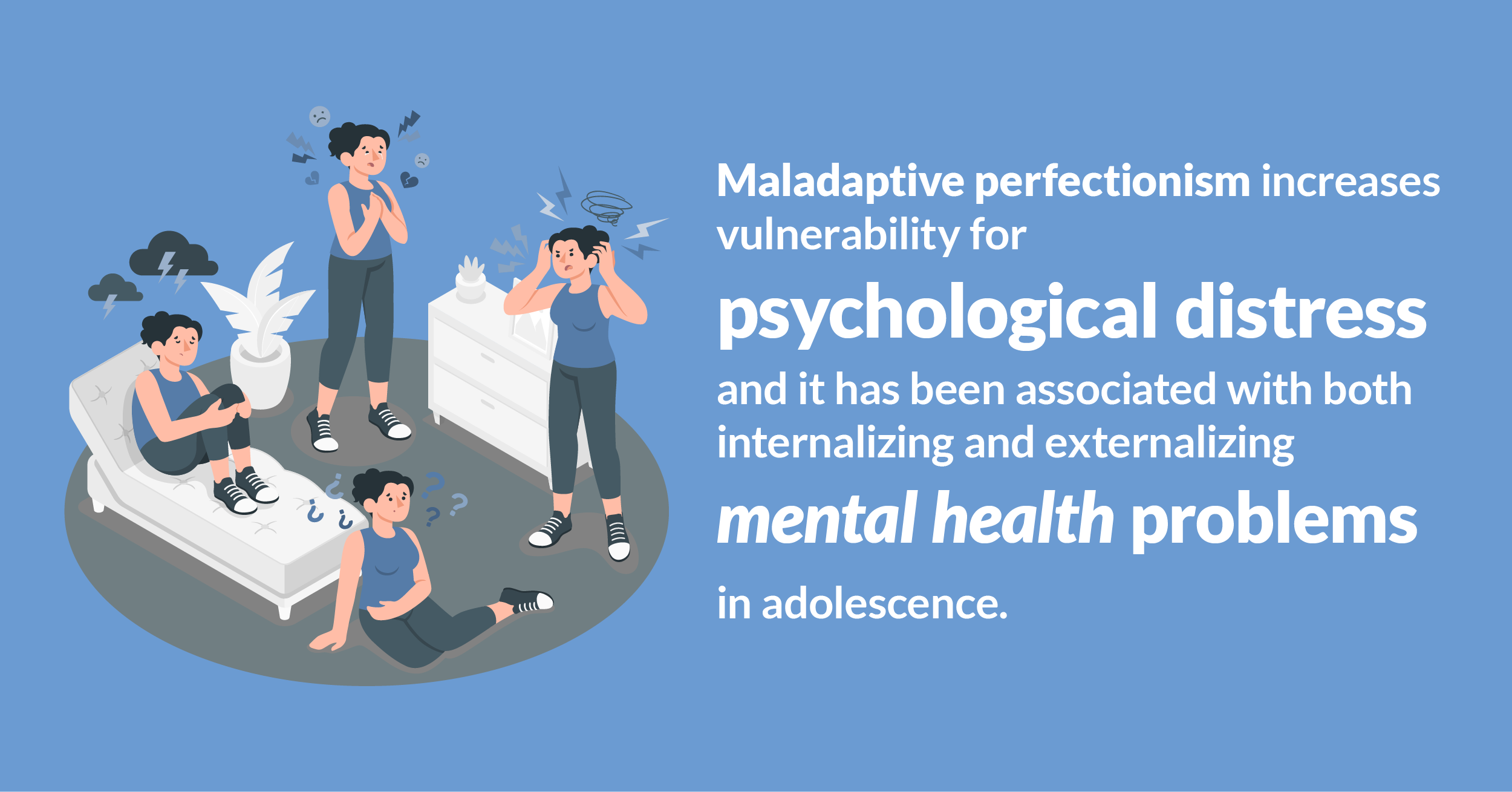
Here’s what makes perfectionism so tricky… it’s both your superpower and your kryptonite. That drive has probably helped you accomplish amazing things. But somewhere along the way, it stopped being about pursuing excellence and started being about avoiding failure at any cost. There’s a difference between “I want to do this well” and “I’ll fall apart if this isn’t flawless.”
Heading into college or taking on new responsibilities makes that pressure feel even heavier. You’re juggling tougher courses, social adjustments, maybe living away from home. And if you’ve tied your self-worth to grades or achievements, a small slip can feel catastrophic.
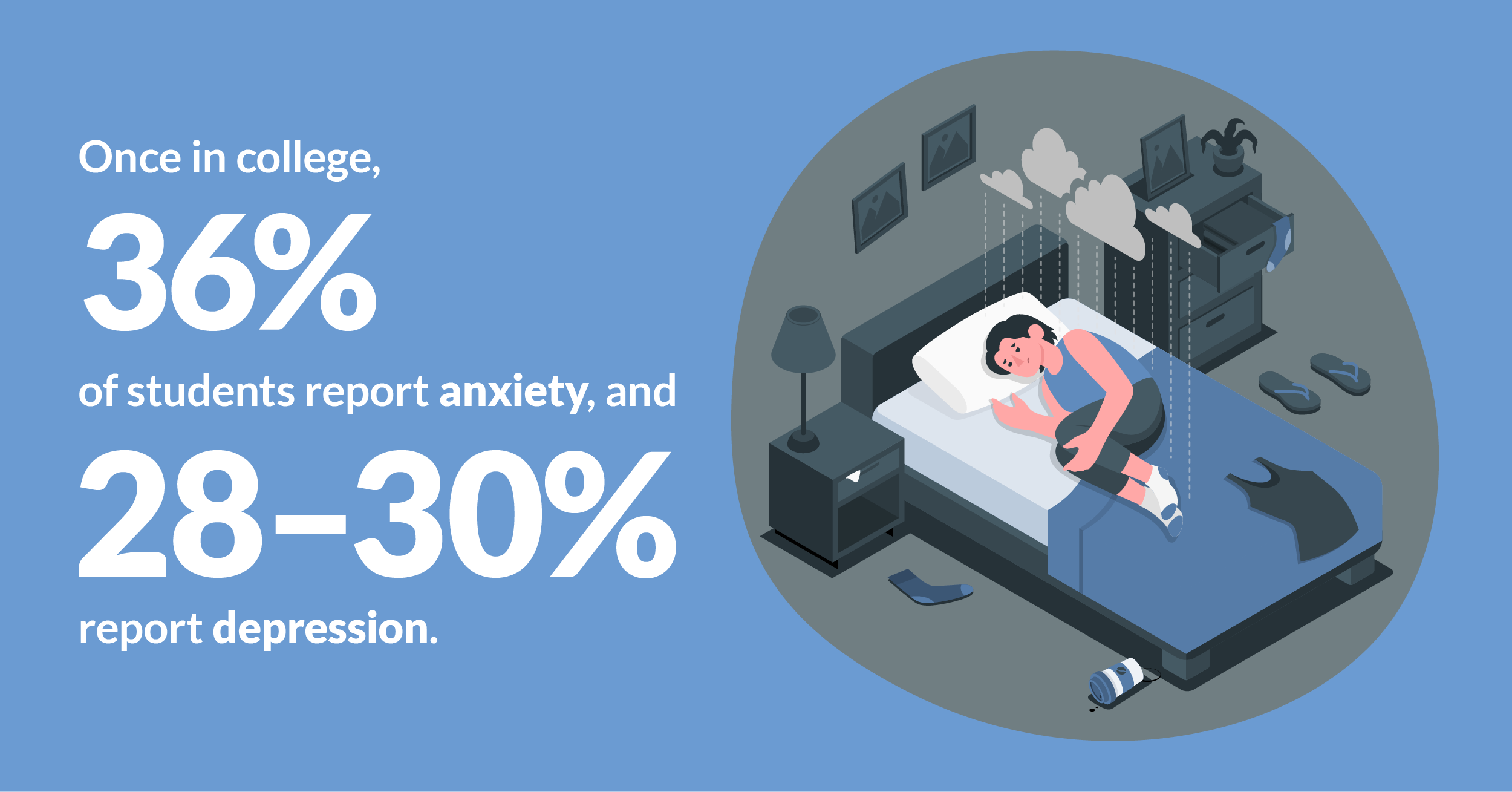
You’re not alone. Around the world, 1 in 7 adolescents experience a mental health disorder. In the U.S., 40% of high school students report persistent sadness or hopelessness, and 1 in 5 have seriously considered suicide. Once in college, these pressures don’t disappear: 36% of students report anxiety, and 28–30% report depression.
The point is simple: you can be smart, talented, and ambitious, and still struggle.
Why Perfection Feels Like a Trap
Perfectionism can feel like a friend and an enemy at the same time. It pushes you to work hard and reach goals, but it also whispers things like, “If I don’t get an A, I’ve failed” or “I can’t let anyone see me struggle.”
This gets trickier in college. More freedom brings more uncertainty. A ‘B’ on a paper, missing a social event, or failing at something new can feel like the end of the world. Your internal pressure mixes with external expectations from parents, teachers, or peers, and suddenly it feels impossible to relax.
“The kids I found who were doing the worst were those who felt like their mattering, their value was contingent, or kids who felt like they mattered to their parents, but they were never depended on or relied on to add value back to anyone other than themselves in their own resume explains Dr. Jennifer Breheny Wallace, who researches achievement culture.
Sometimes perfectionism shows up in sneaky ways procrastination, avoiding anything that might risk failure, or overpreparing until you’re burned out. You might see everyone else “handling it” effortlessly while feeling like you’re barely keeping up. That comparison is exhausting.
Quick Check: Is Perfectionism Running Your Life?
- Do you avoid trying new things because you might not excel immediately?
- Do you procrastinate on important tasks because you’re afraid they won’t be perfect?
- Does a B feel like failure?
- Do you replay small mistakes for days?
If you answered yes to two or more, the strategies below can help.
How Perfectionism Affects Your Emotions
Perfectionism isn’t just about grades, it affects how you feel day to day. Constant self-criticism, stress, and overcommitment can lead to anxiety, depression, or burnout. You might avoid challenges you’d normally enjoy, or overthink mistakes to the point you can’t move forward.
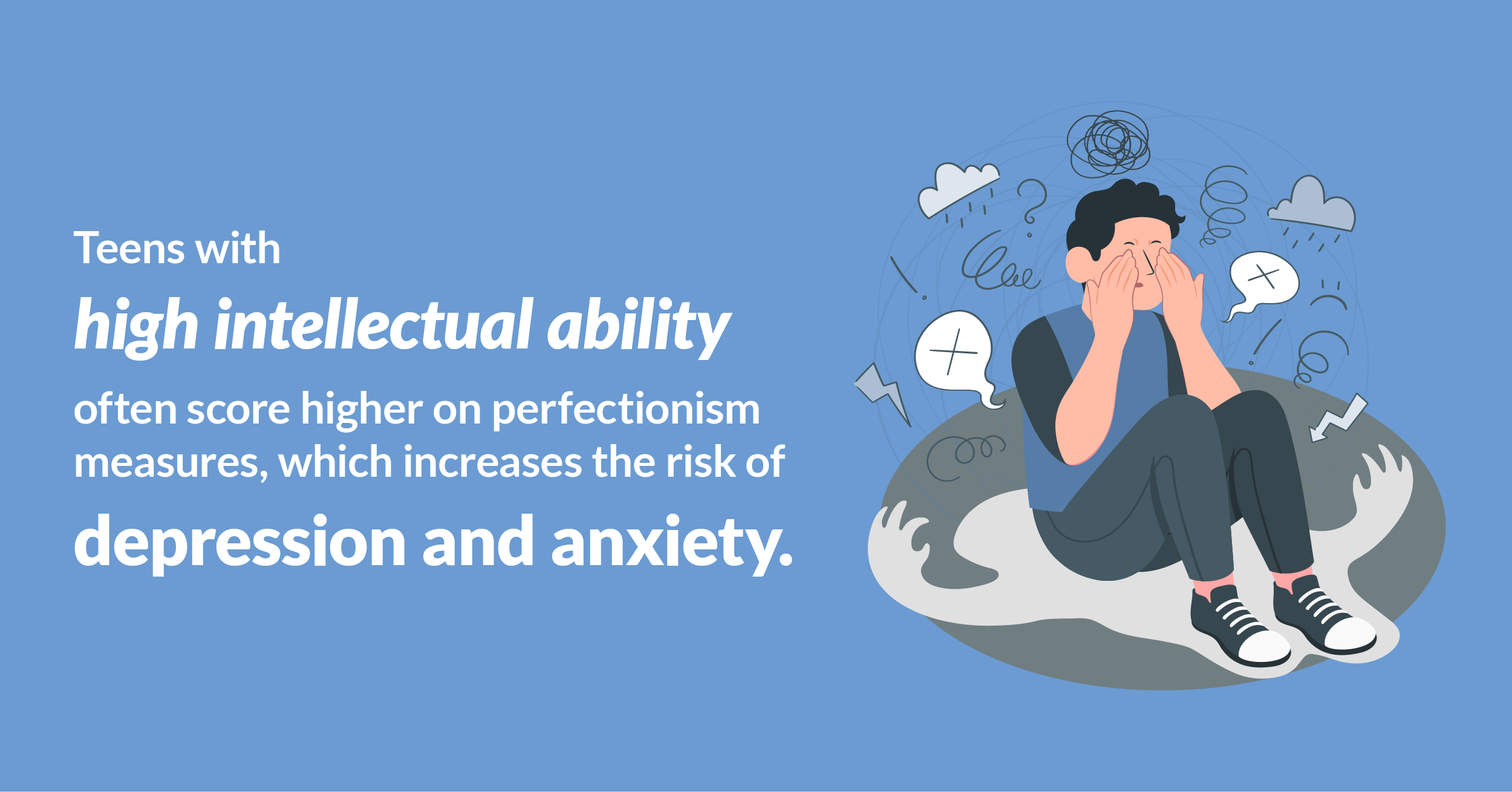
Studies show that teens with high intellectual ability often score higher on perfectionism measures. That drive can help you focus, but it also increases the risk of depression and anxiety. Academic perfectionism is even linked to suicidal thoughts.
Practical Steps to Ease Perfectionism
Perfectionism doesn’t disappear overnight, but you can start lightening the pressure today:
- Notice your inner critic: Ask, “Is this standard helping me, or holding me back?”
- Reframe mistakes: Instead of “I failed,” try “I learned something I can improve next time.”
- Practice self-compassion: Be as kind to yourself as you would to a friend. Research shows it reduces anxiety and depression.
- Break tasks into chunks: Split overwhelming projects into smaller steps and tackle them one at a time.
- Set realistic goals: Decide what “good enough” looks like in each situation.
- Practice self-care daily: Set a timer for ten minutes and do exactly one thing. Walk around the block, write three sentences about your day, or listen to one full song without multitasking. That’s it. Perfect doesn’t apply here.
- Build a support network: Talk to friends, mentors, parents, or counselors. Sharing the load makes it lighter.
- Celebrate effort, not only results: Recognize persistence, creativity, or problem-solving, not just grades.
Advice for Parents
If your teen seems stressed or perfectionistic, your role is crucial. Listen without judgment, encourage effort over perfection, and model self-compassion. Small gestures make a big difference.
Instead of “Great job getting an A!” try “I noticed you really worked through that tough concept, how did you figure it out?” Instead of “Don’t worry about the B,” try “What did you learn from this? What would you do differently next time?”
Support hobbies, social time, physical activity, and sufficient sleep. Watch for warning signs like prolonged sadness, withdrawal, or extreme self-criticism. These may signal it’s time for professional support.
Model healthy behavior yourself. Share times when you struggled, took breaks, or learned from mistakes. Show them that imperfection is normal and resilience matters more than flawless performance.
Redefining Success
Success isn’t about being flawless. It’s about growth, resilience, and taking care of your mental health along the way. The goal isn’t to stop caring about excellence but to stop letting perfectionism steal your joy, your sleep, and your sense of self-worth.
You’re allowed to be ambitious and imperfect at the same time. In fact, that’s the only sustainable way to be. Letting go of perfection doesn’t mean giving up, it means making room for learning, for joy, and for life to feel manageable again.
Resource Links
Sources
WHO – Adolescent Mental Health Fact Sheet
NCBI – Adolescent Mental and Behavioral Health
CDC – Adolescent and School Mental Health
Mission Graduate – College Students and Depression
Scholarly Articles – Research
Perfectionism and psychological well-being in adolescents with high intellectual abilities
The distinct link of perfectionism with positive and negative mental health outcomes
Academic Perfectionism, Psychological Well-Being, and Suicidal Ideation in College Students
Self-compassion mediates the perfectionism and depression link on Chinese undergraduates
Videos
How to Overcome Perfectionism in Children
How Perfectionism Harms Our Children
How Parents Can Help Teens Avoid Perfectionism & Its Pitfalls