
University of North Dakota MSW Program
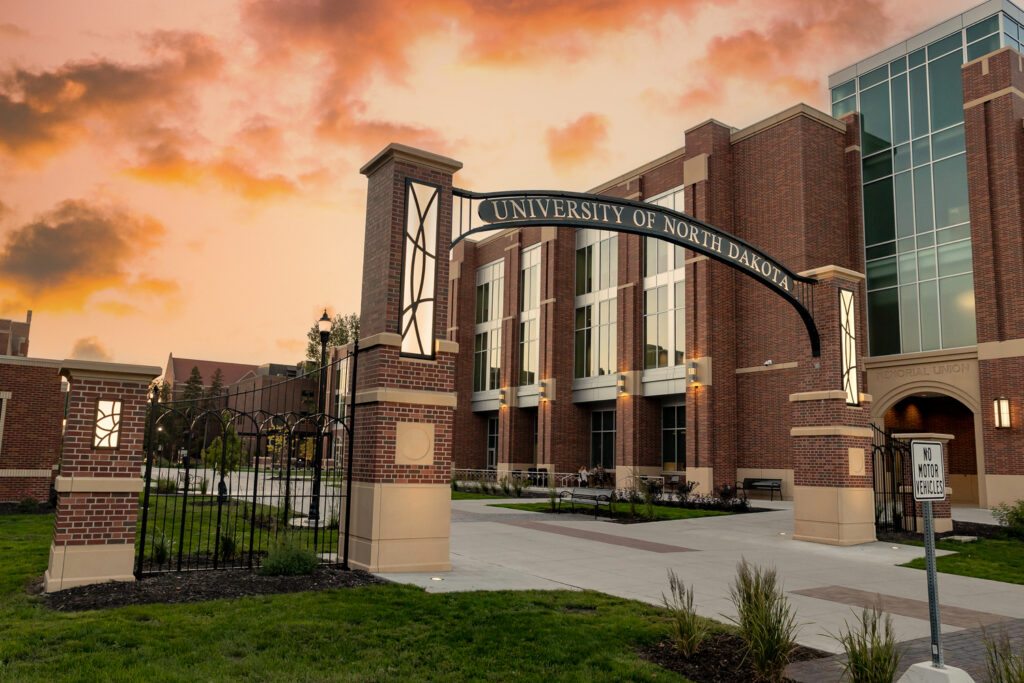
The University of North Dakota began teaching social work courses back in 1905. This 100+ year legacy has shaped the institution’s strong reputation in social work education. The university started offering its Bachelor of Science in Social Work degree in 1939. The Master of Social Work program came later in 1989 and earned full accreditation in 1993.
The Department of Social Work sits within the College of Nursing & Professional Disciplines at UND. You’ll find it in Gillette Hall, Room 302, at 225 Centennial Drive. The department has managed to keep its high educational standards through regular accreditation renewals.
UND stands out as a leader in social work education across the region. Students can choose the state’s only online Social Work master’s program. The university ranks among the top 30 best online MSW programs in the country. This recognition comes from its quality education, affordable costs, flexible options, and strong career results.
UND’s social work programs focus heavily on rural and underserved communities. This approach lines up with the university’s goal to train ethical and competent social work professionals. These graduates become change-makers across North Dakota and neighboring areas. Students can complete their studies on campus or online, making education accessible to more people.
The Children & Family Services Training Center strengthens UND’s community bonds through research and training focused on rural areas. This center certifies every new child welfare worker and foster parent in North Dakota. Students learn about real-life social work practice, especially when working in rural settings.
Employers across North Dakota, South Dakota, and western Minnesota actively seek UND social work graduates because of their thorough academic preparation. These graduates typically start with salaries around $60,000, showing how much employers value UND’s education.
Programs offered
UND provides social work programs that adapt to your educational background and career goals. The university gives working professionals multiple ways to earn their social work credentials.
The Master of Social Work (MSW) program is the core of UND’s advanced social work education. Students can choose between two tracks based on their previous education:
- The Advanced Generalist Program (36 credits) is perfect for students who have a bachelor’s degree in Social Work from a CSWE-accredited program. BSW graduates can complete this track in just three semesters with full-time study.
- The Generalist Program (60 credits) welcomes students with a bachelor’s degree in a related field or those without a BSW. This detailed program builds essential social work knowledge before students move to specialized content.
Both tracks prepare students for clinical, policy, and leadership roles in practice settings of all types. The curriculum promotes advanced generalist practice that focuses strongly on rural and underserved communities.
Students appreciate the flexibility of UND’s MSW program through:
- On-campus format – Traditional classroom experience with face-to-face instruction
- Online format – The only online Social Work master’s program in North Dakota
Online students in the Generalist track usually need three or more years to finish with part-time study (six credits per term). Students can complete the Advanced Generalist online track in about two years of part-time study.
The program uses a cohort model where students who start in the same academic year take classes together. This setup promotes a supportive learning community even in the online format.
UND also has specialized minors that enhance the social work curriculum:
- Gerontology Minor – An interdisciplinary program that helps you work better with older populations
- Substance Use and Addictions Minor – Specialized training to support people who need help with addiction recovery
Field education is a vital part of both MSW tracks. Students in the Generalist program complete 950 hours of field experience through two internships (450 hours and 500 hours). Advanced Generalist students need 500 hours in one internship, which they can finish over one or two semesters.
The program structure meets licensing requirements and prepares students for clinical social work licensure. Students gain skills through Advanced Generalist training that help them excel in clinical work and leadership positions.
About the online program
UND’s online Master of Social Work is the only online Social Work master’s program in North Dakota. The program maintains similar academic standards to its on-campus version—students take the same courses from the same professors and receive the same diploma.
Students experience synchronous learning in the online MSW program. Live virtual classes promote active discussion and instant feedback through real-time interaction. Students log into virtual classrooms during scheduled evening sessions to join lectures, ask questions, participate in discussions, work on group activities, and employ interactive tools like whiteboards and live polls.
The Generalist track welcomes students without a BSW. Classes start in Spring semester with a 60-credit requirement. Students take six credits per term in this part-time program, which takes three or more years to finish. The Advanced Generalist track needs 36 credits and students can complete it in about two years of part-time study.
Flexibility serves as the substance of UND’s online approach. Working professionals can attend evening classes at 6 p.m. and 8 p.m. CST. This schedule lets students balance their career with advanced education.
Students complete a 500-hour field placement in their local community. This hands-on experience serves their own region, including rural and tribal communities. Students must pass background checks before starting field placements.
The program uses a cohort model. Students who start in the same academic year take classes together. This approach creates a supportive learning community that works as both an academic support system and future professional network.
The program includes some campus visits despite being mostly online. Advanced Standing students attend one on-campus intensive for 5-6 days. Traditional track students attend two sessions. These intensives are a great way to get lab experience and meet peers and faculty in person.
UND charges the same tuition rates to online MSW students whatever their residency status. The university ranks consistently among top online MSW programs nationally, making it an affordable path to advanced social work credentials.
More than a third of UND’s students study exclusively online, creating a strong virtual community. The university helps build connections through many online events and activities to promote engagement among distance learners.
Accreditation
UND’s Master of Social Work program builds its professional credibility on full accreditation from the Council on Social Work Education (CSWE) since 1993. The 34-year old program has managed to keep continuous accreditation. Both undergraduate and graduate Social Work programs got their reaccreditation through 2030.
This reaccreditation shows the results of a thorough evaluation that happens every eight years. The process just needs extensive paperwork. UND’s Social Work department turned in more than 1,600 pages that showed their assessment methods, curriculum updates, core skills, and practice behaviors. The complete review had multi-volume submissions, CSWE representatives visited the campus, and the department provided follow-up responses.
You might wonder how CSWE accreditation helps your career. Note that this credential lets UND graduates apply for licenses in the United States and Canada. Students can’t get social work licenses without graduating from an approved program. Social workers who don’t have proper licenses face major restrictions on their services and reimbursements.
Students who pick UND’s MSW program join a school known for its educational excellence.
CSWE leads social work education accreditation in North America and oversees 347 accredited master’s programs as of June 2025. The organization will give a “quality of education needed for social workers to carry out their duties in service to the public good”. Programs go through strict peer reviews that balance similar outcomes while staying flexible based on program context.
UND has managed to keep its Higher Learning Commission (HLC) accreditation since 1913. This institutional badge lets students receive federal financial aid and keeps academic credits transferable between UND and other accredited schools. The Institutional Actions Council extended UND’s accreditation in 2024, scheduling the next review for 2033-34.
These credentials show that UND’s social work education meets the highest standards in academic quality and professional training—key factors to advance your career in clinical social work.
Admission Requirements
UND’s Master of Social Work program has specific admission requirements that depend on your educational background. The university offers two distinct program tracks with different admission standards.
Students pursuing the Advanced Generalist Program, designed for BSW holders, must meet these requirements:
- Hold a BSW degree from a CSWE-accredited program
- Maintain a minimum overall undergraduate GPA of 3.0 (or a 3.0 GPA in the last two years of undergraduate coursework)
- Complete a statistics course with a grade of C or higher
- Be willing to follow the National Association of Social Workers’ Code of Ethics
The Generalist Program welcomes non-BSW applicants who meet these criteria:
- A bachelor’s degree from an accredited institution
- A minimum of 30 credit hours in liberal arts courses from disciplines such as biology, economics, sociology, psychology, and philosophy
- A minimum 3.0 overall undergraduate GPA (or a 3.0 GPA in the last two years)[124]
Your application journey starts with UND’s admissions portal submission and a $35 non-refundable fee. You’ll need to provide:
- Official transcripts from every college and university attended
- Three academic or professional references (family members and friends cannot serve as references)
- A statement of goals or personal statement (1-2 pages)
- A resume highlighting your educational background, work experience, volunteer work, and organizational memberships
Program tracks have different application deadlines. The Generalist Program accepts applications until June 15 for Spring enrollment. The Advanced Generalist Program’s deadlines are January 15 (priority) and May 15 for on-campus Fall enrollment, with October 15 (priority) set for online Summer enrollment.
International students must meet the same requirements plus the School of Graduate Studies’ English Language Proficiency standards. Students with a bachelor’s degree or higher from the United States or English-speaking Canada don’t need to take the TOEFL.
The admission committee evaluates each application package thoroughly, with special attention to academic performance, professional preparation, and commitment to social work values.
Tuition
UND’s Master of Social Work program gives you better value than other schools. The university ranks among the nation’s best values for graduate studies, with lower tuition rates than other Midwest four-year doctoral universities.
Your costs will depend on how you want to study and where you live. Campus-based MSW students who live in North Dakota pay $535.93 per credit in tuition and $77.27 per credit in fees during 2025/2026. This adds up to $613.20 per credit or $12,862.32 for a full academic year. Students on campus can take more than 12 credits each semester without paying extra.
The online MSW program costs the same for everyone. You’ll pay $714.44 per credit in tuition plus $77.27 in fees, which totals $791.71 per credit. This rate is higher than campus tuition but still beats many other online MSW programs nationwide, especially given UND’s academic reputation.
Military members get great tuition benefits at UND. Service members, veterans, and their families can pay North Dakota resident rates for campus programs. Undergraduate students who use Federal Tuition Assistance pay just $250 per credit.
Your MSW degree can really pay off financially. People with graduate degrees typically earn $12,700 more per year. Most graduates find that their degree pays for itself within a few years.
UND helps make your education more affordable with financial aid. Students receive about $13,500 in aid each year. Money can come from:
- Merit-based scholarships (no repayment required)
- Need-based grants (no repayment required)
- Various loan options
UND shows its steadfast dedication to keeping costs down. Schools like the University of Mary charge $17,861 yearly, which makes UND’s program a better deal.
Additional Information
UND’s MSW program delivers great career benefits and support services that go beyond the classroom. The social work field shows promising growth with a projected 6% increase through 2034. Your professional mobility gets a boost through UND’s membership in the Social Work Licensure Compact, which lets you practice in multiple states after getting licensed.
The program provides more than just standard financial aid. MSW students can tap into specialized funding like the IV-E Child Welfare Stipends when they commit to work in North Dakota’s child welfare system. Students can also apply for the Burkland Scholarship (with preference for indigenous students), Ken Dawes Social Work Scholarship, and Don Schmid Child Welfare Leadership Scholarship.
Students can build strong connections through Phi Alpha (the National Social Work Honorary Society), the Student Social Work Association, and NASW student membership. These organizations are a great way to get networking, professional development, and leadership opportunities while completing your coursework.
Your experience at UND comes with excellent resources, regardless of your study mode. MSW students have access to a welcoming student lounge in Gillette Hall Room #103 and a computer lab that’s open weekdays from 8 AM to 4:30 PM. The university’s three campus facilities house library services, with social work subject librarians ready to help with research.
UND’s MSW alumni success stories showcase the degree’s versatility. They work as mental health practitioners, program directors, and chemical dependency counselors across the country.