
University of Maine MSW
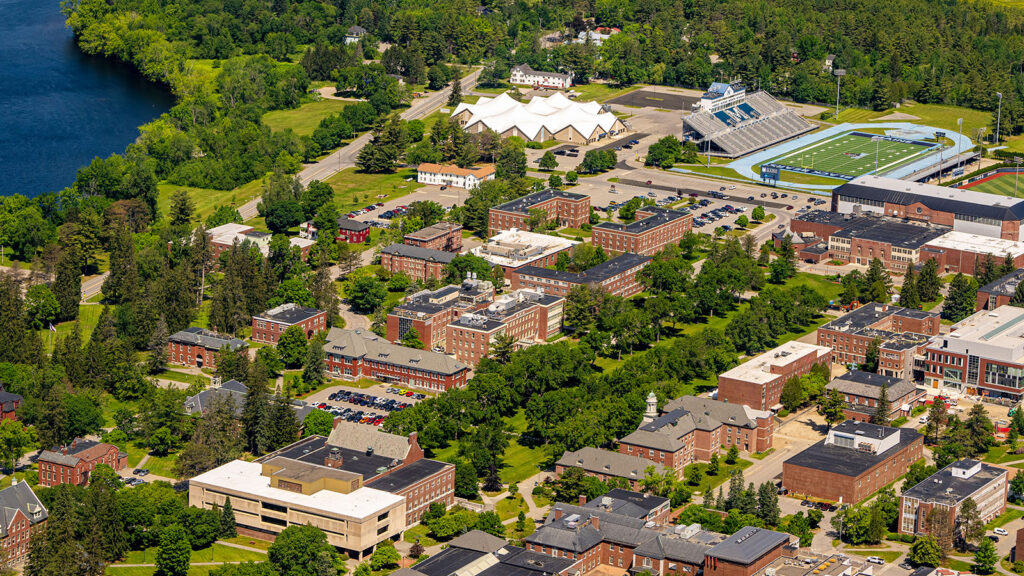
The University of Maine School of Social Work has established itself as a leading institution that improves people’s quality of life through excellence in social work practice. The school’s story began in the 1950s, and it has grown tremendously since then. Students could first study social welfare at the undergraduate level before the Bachelor of Social Work degree started in 1972. The Master of Social Work (MSW) program got its original approval in 1987 and has managed to keep continuous accreditation since 1991 through the Council on Social Work Education (CSWE).
The School has seen impressive growth over the years. Student numbers jumped from about 50 undergraduates in 1987 to more than 100 undergraduate and 135 graduate students today. These numbers show how well the program adapts to the changing needs of social work while maintaining educational excellence.
The School’s mission matches the University of Maine’s dedication to scholarship, outreach, and service. It has a unique responsibility to help Maine’s people, especially when you have rural areas and small communities that define the state. The School wants to:
- Train competent social workers at both bachelor’s and master’s levels
- Help practitioners grow through continuing education
- Add to the knowledge base through faculty research and scholarship
- Be an academic resource hub for social service communities worldwide
Both undergraduate and graduate programs build on social work’s generalist point of view. This helps students handle social work’s dual nature – they learn to see and address personal challenges and public issues together. The MSW program creates advanced generalist practitioners who can work in organizations of all sizes, whether as administrators, clinicians, or supervisors.
The University of Maine School of Social Work stands out because of its unique learning environment. Students experience personalized learning, respect for individual rights, and appreciation of diversity. Small class sizes, cohort-based learning, strong student-faculty connections, and customized internships help students grow and learn better.
MSW graduates from the University of Maine are ready to participate, evaluate, and help individuals, families, groups, communities, organizations, and institutions. They use frameworks to understand human behavior in social settings and work hard to enhance life quality throughout Maine and beyond.
Programs offered
The University of Maine’s Master of Social Work program comes with multiple options that work well for students with different needs and backgrounds. Their advanced generalist framework will give graduates the skills to work effectively with clients of all types and populations.
Students need 63 credit hours to complete the regular MSW program. This includes 45 credits of classroom work and 18 credits of supervised field practicum. Students can choose from several paths:
- Students can finish the program in four semesters at the Orono campus through the full-time two-year option
- A part-time extended option takes four years (eight semesters) and works well for students with other commitments
- The three-year online-hybrid program offers flexibility with mostly asynchronous online classes and two Saturday on-campus meetings each semester
The Advanced Standing program needs 46 credits from qualified students who got their BSW degrees in the last seven years. The program has 36 classroom credits and 10 supervised practicum credits, with three online “bridge” courses in summer. Students can complete Advanced Standing in one year full-time or two years part-time.
The curriculum takes a step-by-step approach in all program formats. Students build their foundation knowledge about human behavior, social environments, policies, services, and practice methods with different client systems during the generalist phase. Regular MSW students complete field internship experiences that add up to 900 hours.
The specialization phase builds on these basics to prepare graduates for advanced practice. The coursework covers advanced generalist methods with individuals, families, groups, organizations, and communities, among other specialized field internships. Advanced Standing students need to complete 500 hours of field education in this phase.
The School of Social Work has many elective options that complement required coursework. Three-credit electives cover Adult and Child Psychopathology, Advanced Clinical Practice in Integrated Healthcare, and Group Strategies in Health and Mental Health Settings. One-credit electives focus on specific areas like Practice with LGBTQ+ Clients and Social Work Practice and Intimate Partner Violence. Students can also take electives through other graduate programs or certificates, such as the Interprofessional Graduate Certificate in Gerontology.
These program structures let students pick study plans that line up with their career goals and personal needs. Maine, New Hampshire, and Vermont residents can access the online-hybrid option.
About the online program
UMaine’s online MSW program delivers quality social work education through an innovative hybrid format that works for students with different needs. Students complete most coursework online at their own pace, and they meet in person occasionally to build community and gain hands-on experience.
Students move through the program together as a group, which creates a supportive learning environment. While you can complete most work on your schedule, some activities need real-time participation. These include Monday evening internship seminars and two Saturday sessions each semester at the Orono campus. These campus meetings play a vital role – students connect with classmates and faculty while practicing skills that online learning can’t fully replicate.
The program welcomes students from Maine, New Hampshire, and Vermont who need to balance their studies with work, family, and travel distances. A recent graduate shared: “The online-hybrid option provided the flexibility for me to go to graduate school from a distance as I balanced part-time work, family life, and something many of us face in Maine – living in a rural area”.
Traditional students complete 63 credit hours over three years in a structured sequence. Students gain practical experience through internships at approved organizations close to home. This setup lets students stay in their communities while getting valuable field experience that meets program requirements.
Students with recent BSW degrees can choose the Advanced Standing path, which needs 46 credits over two years instead of three. They start with three 2-credit summer bridge courses that link their BSW foundation to specialized MSW coursework.
Students need a computer with webcam and microphone to use learning systems and join online discussions. The program’s design helps address Maine’s unique population and distance challenges, preparing social workers to help people in rural communities effectively.
Field education
The University of Maine’s MSW degree program offers students a perfect blend of strong academics and practical field experiences. Your choice of graduate social work education should reflect your professional goals, and UMaine’s unique approach might be exactly what you need.
Field education is the foundation of UMaine’s MSW experience. Students can apply their classroom knowledge directly in real-life settings under professional supervision. The program offers placements in settings of all types throughout Maine, New Hampshire, and Vermont, including healthcare facilities, mental health centers, child welfare agencies, schools, and community development organizations.
Traditional MSW students must complete 900 hours of supervised practice over four semesters. Advanced Standing students need 500 hours during their specialized year. Field coordinators work with students to match their interests with suitable learning environments whenever possible.
The program gives students the tools to tackle complex social issues through solid academic preparation and guided hands-on experience. Faculty members bring their extensive practice backgrounds to the classroom and enrich student learning with real-life viewpoints and current research findings.
Students can tuck into research projects that make a difference. The program encourages them to work together with faculty on projects that address urgent social concerns affecting rural communities and vulnerable populations. These experiences sharpen critical thinking skills and build a deeper understanding of evidence-based practice methods.
Students often ask about accreditation, admission requirements, and finances. The School of Social Work’s strong ties with regional community partners create networking opportunities that frequently lead to jobs after graduation.
The program’s emphasis on rural social work practice meets specific needs in underserved areas. Graduates gain unique skills to work in resource-limited settings where social workers need exceptional versatility and must accept new ideas.
UMaine’s MSW program combines academic excellence, hands-on experience, and community involvement to create social workers who serve people of all backgrounds effectively across different practice settings.
Accreditation
Accreditation plays the most important role when you choose an MSW program. Your degree must meet professional standards, which makes attending an accredited institution essential for aspiring social workers.
The Council on Social Work Education (CSWE) has fully accredited the University of Maine’s MSW program. CSWE is the only accrediting organization for social work education in the United States. The program earned its first accreditation in 1991 and has managed to keep it for over 30 years. The current accreditation will last through 2027, which shows the program’s steadfast dedication to educational excellence.
Both traditional campus-based and online-hybrid formats carry this credential. CSWE standards state that “Accreditation of a program extends to all approved locations and delivery methods as long as the degree is granted from that program”. Students get the same accredited degree whether they study on campus or online.
CSWE accreditation benefits your career in two ways. The curriculum meets the profession’s strict educational standards. The degree also qualifies you for licensure in Maine. Without this credential, you would face major obstacles in your professional practice.
CSWE’s accreditation process evaluates the curriculum, faculty qualifications, student outcomes, and institutional resources thoroughly. Programs must show they prepare graduates who can practice competently with clients of all types and backgrounds. Maine has only three CSWE-accredited MSW programs, which highlights the University’s role in training qualified social workers for the region.
This accreditation gives you confidence that employers and licensing boards nationwide will value your degree. The School of Social Work’s ongoing accreditation proves its long-term commitment to quality education.
Admission Requirements
The University of Maine MSW program has specific deadlines and requirements you need to know. Students who want to start in Fall 2026 should submit their applications by January 1, 2026. The school will review all applications carefully. The regular MSW program runs for three years starting Fall 2026. Students in the Advanced Standing two-year program start their journey in Summer 2026.
The School of Social Work asks for a minimum 2.0 overall GPA. Your professional behavior matters just as much as your grades. The school expects you to follow the National Association of Social Workers Code of Ethics. Any behavior that goes against these standards could affect your chances of getting in. The good news is you don’t need to take the Graduate Record Exam (GRE) or other graduate tests.
Your application needs several key pieces. You’ll need to send official transcripts from every school you’ve attended. The school also wants an essay between 800-1000 words – about four double-spaced pages – that answers specific questions. Write this personal statement yourself. The School doesn’t want you to use AI tools because they want to hear your real voice and experiences.
Your application should come with three professional references. These should be people who know your academic work or how well you’d fit in social work. A direct supervisor’s reference works great if you’re hired in social services. Don’t ask family members or friends to be references.
Advanced Standing students must have earned their BSW from a CSWE-accredited program in the last seven years. You’ll also need to show your final field evaluation, or if you’re still in school, your mid-year evaluation will work.
Students from other countries have extra steps. They need to prove their English skills unless they studied at schools where English was the main language.
The program follows CSWE standards strictly. This means you won’t get credit for any work or life experience, whatever its relevance might be. Keep in mind that many social work jobs need background checks. These might affect your job options later, even if they don’t stop you from finishing the program.
Tuition
Financial knowledge about graduate education helps you plan your academic experience better. UMaine’s MSW program sets different tuition rates that depend on where you live and how you take classes.
Graduate tuition at UMaine for the 2025-26 academic year costs USD 573.00 per credit hour if you’re from Maine or Canada. Students from other places pay USD 1747.00 per credit hour. The New England Board of Higher Education Regional Student Program lets qualified students from nearby states pay a reduced rate of USD 1003.00 per credit hour.
Students who choose the online MSW program pay USD 626.00 per credit hour, whatever their location. This makes the online program a smart financial choice for students from other states.
Additional required fees include:
- Infrastructure & Technology Fee: USD 28.00 per credit hour
- Online Fee: USD 25.00 per credit hour for all online courses
- Graduate Activity Fee: USD 60.00-75.00 per term depending on credit load
Military service members and veterans can get in-state tuition rates when they show proper documentation. Their dependents who use GI Bill benefits also get this rate.
UMaine’s prices stay competitive with other regional MSW programs. Traditional students need about 63 credits to graduate, while advanced standing students complete around 46 credits.
Additional Information
The University of Maine provides comprehensive support services that make your MSW experience better. The Student Accessibility Center stands ready to help students with disabilities. Students can request note-takers, interpreters, and exam modifications to ensure they have equal access to education.
Social work students have several financial aid options available. Maine-based professionals can apply for the Catharine Wilder Guiles Scholarship when pursuing graduate training in mental health fields. The Strom-Gottfried Scholarship supports both undergraduate and graduate students who demonstrate financial need, with preference given to juniors who show leadership potential. Peace Corps Veterans can benefit from reduced tuition through the Coverdell Fellows program.
Maine’s job market looks promising for social workers. The state leads the nation in social work position concentration, and mental health and substance use social workers earn $68,345 on average annually. Your graduation will qualify you for Licensed Master Social Worker (LMSW) status. You can pursue Licensed Clinical Social Worker (LCSW) certification after completing supervised clinical work experience.
Military veterans receive dedicated support through the Veterans Education and Transition Services and qualify for in-state tuition rates. The Office of International Programs helps international students with visa requirements and admission procedures.