
Regis College MSW
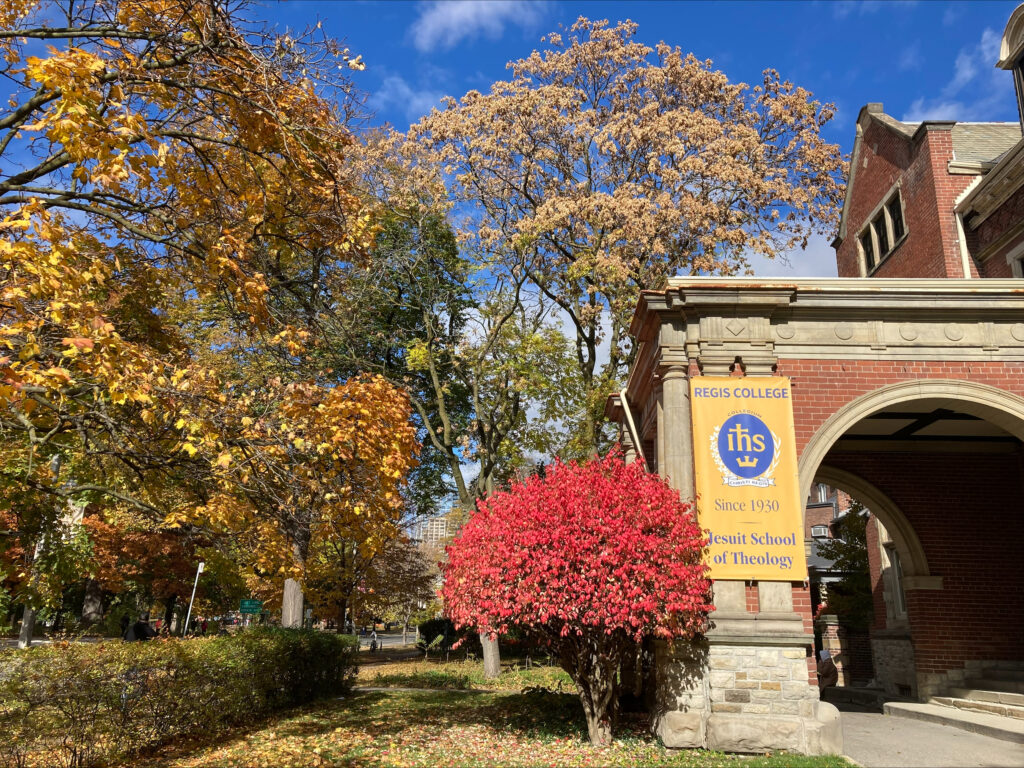
Regis College’s Master of Social Work program sits within the School of Health Sciences. The program offers specialized training in clinical social work practice. Students learn strong clinical skills to work directly with clients in a variety of practice settings. Graduates can build rewarding careers in schools, hospitals, mental health centers, child welfare organizations, and youth and family services.
Quality accreditation forms the foundations of the program. Regis College holds institutional accreditation from the New England Commission of Higher Education (NECHE), previously the New England Association of Schools and Colleges. The program also has specialized accreditation from the Council on Social Work Education (CSWE), the only accrediting body for U.S. social work programs. This dual accreditation shows the program meets strict standards for excellence in social work education.
Students enjoy flexible and accessible learning options at this school. The program delivers most courses asynchronously through the Blackboard Learning Management System. The RegisAccess platform gives students easy access to grades, syllabi, class schedules, and financial aid information. Online MSW students also receive complete support services, including SmartThinking 24-hour online tutoring and constant technical help.
The program welcomes students from various academic backgrounds, perfect for career advancement or changes. Students experience a mix of challenging academic coursework and hands-on field experience. Program director Dr. Donette C. Considine notes this approach reflects Regis’s educational principle of “serving the dear neighbor without distinction”.
Students can choose between two tracks: a 60-credit traditional track for those without a Bachelor of Social Work, and a 30-credit advanced standing track for recent BSW graduates. This structure helps students balance their education with personal and work commitments while preparing for licensure and diverse career paths.
Programs offered
Regis College’s MSW program offers two academic pathways based on your educational background and career goals.
Students with non-social work bachelor’s degrees can choose the Traditional Track, a 60-credit program with both generalist and specialized clinical coursework. You’ll complete this well-laid-out pathway in just 28 months with year-round classes. Your journey starts with generalist practice fundamentals and advances to specialized clinical social work training.
The Advanced Standing Track welcomes qualified candidates who earned their BSW degree in the last six years, offering a quick 30-credit path. This option builds on your social work knowledge and lets you graduate in just 16 months. Students with BSW degrees older than six years can still apply for Advanced Standing, subject to the program director’s review.
Clinical social work practice stands at the heart of both tracks. This specialization will prepare you to work with individuals, families, and groups using evidence-based intervention models. The specialized training opens doors to various career opportunities in healthcare, mental health, and social services while preparing you for licensure.
Your academic journey combines rigorous study with hands-on experience. Traditional track students complete 48 credits of coursework plus 12 credits (about 1,080 hours) of field education. Advanced Standing students complete 480 hours of field placement. These ground experiences help you meet licensure requirements while building valuable expertise.
Traditional track’s core courses cover Human Behavior and Social Environment I-II, Social Work Community Practice, Social Welfare Policy, Research Methods, Diversity and Cross-Cultural Issues, Ethics, and practice courses focused on individuals, families, and groups. After completing these, you’ll move to specialized clinical courses—the same ones Advanced Standing students take. These include advanced clinical practice, research evaluation, clinical assessment, field education, and policy administration.
Your elective options include specialized courses like Trauma in Children and Adolescents or Trauma in Adults. You can also choose electives from other Regis online programs, such as Master of Public Health, Master of Applied Behavior Analysis, Professional MBA, and Master of Health Administration.
Multiple entry points throughout the year make starting your education convenient. Spring semester begins January 6, 2025. Asynchronous course delivery helps you balance your education with work and personal life.
About the online program
Regis College’s online MSW program gives busy professionals a flexible learning experience without geographical limits to quality education. Students can access the 100% online program with asynchronous coursework and complete assignments on their schedule. This setup helps you balance your education with personal and professional commitments while working toward your career goals.
The program runs on the Blackboard Learning Management System where students watch lectures, finish assignments, join discussion boards, and take tests. Most courses last eight weeks, but field education seminar courses run for 16 weeks. The program has four field seminar courses with six live sessions each, and we encourage active participation in these sessions.
Each course needs about 12 hours of work per week. Regis supports your learning with SmartThinking 24-hour online tutoring and technical support. RegisAccess lets you manage your grades, syllabi, class schedules, and financial aid details in one place.
The program builds a strong online community through several programs. Phi Alpha Honor Society members mentor new students and help with academic and career planning. Students can share their ideas about curriculum and scheduling at semester community meetings. The Student Advisory Board brings student concerns to faculty each month, and Student Ambassadors help future students learn about the program.
Field education is key to the program, with different requirements for each track. Traditional track students need two placements that total 1,080 hours – 480 hours in the first placement and 600 in the second. Advanced Standing students complete 600 hours in one placement. This hands-on experience prepares you for state licensure after graduation.
Advanced Standing students can finish the program in 16 months, while Traditional track students typically take 28 months, based on their previous education.
Accreditation
Your social work education’s quality and legitimacy depend heavily on strong accreditation credentials. The Regis College MSW program’s dual accreditation will enhance your career prospects and professional standing significantly.
Regis College has earned accreditation from the New England Commission of Higher Education (NECHE). This voluntary, nongovernmental, peer-based membership association promotes excellence standards in higher education. NECHE acts as the regional accreditation organization for colleges and universities in six New England states: Connecticut, Maine, Massachusetts, New Hampshire, Rhode Island, and Vermont.
The program’s specialized accreditation from the Council on Social Work Education (CSWE) plays a crucial role in your professional future. CSWE stands as the only accrediting body for social work programs in the United States[151]. States recognize only CSWE-accredited program graduates as eligible candidates for licensing examinations[151].
A degree from the CSWE-accredited Regis MSW program will position you perfectly for professional advancement. This accreditation validates the program’s ability to prepare competent clinical social work practitioners and leaders who strive to create a more just and humane society.
Students must demonstrate mastery of nine competencies within the Educational Policy and Accreditation Standards (EPAS) through multiple evaluation measures. These competencies encompass social work practice’s key dimensions—knowledge, values, skills, and cognitive & affective processes—which every social worker needs to master during their training.
State licensing requirements can differ, so research the specific requirements where you plan to practice. Requirements may change over time, so check state websites for the most current information.
Curriculum
The path to becoming a licensed clinical social worker through Regis College’s MSW program is well-laid-out and student-focused. Regis online differs from traditional campus programs by offering simplified processes that emphasize practical outcomes and career growth.
Students must check their eligibility for Traditional or Advanced Standing tracks. After acceptance, the program gives complete orientation materials about online learning platforms, academic requirements, and resources. This preparation helps students start their educational experience confidently.
The program features a carefully planned curriculum with guidance from dedicated faculty advisors. Students connect with peers and professionals from social work settings of all types. These connections are a great way to get insights when looking for field placements or jobs.
Field education acts as a crucial part of your MSW experience. A dedicated field education team secures placements that match your career goals. This practical training bridges classroom theory and real-life practice. It prepares you for both challenges and rewards in clinical social work.
Students receive targeted support for licensing as graduation nears. Faculty members guide exam preparation while career services help with resumes and job searches. This support continues after graduation, showing Regis College’s steadfast dedication to student success.
Graduates can take the licensing examination in their state after completing degree requirements. The program’s CSWE accreditation means your degree meets educational requirements for licensure across the United States, though state regulations may differ.
To sum up, Regis College’s MSW program creates a clear path that helps determined students become licensed clinical social work professionals who make meaningful contributions to their field.
Admission Requirements
Regis College’s MSW program has clear admission pathways based on your academic background. A good review of these requirements will help you create a strong application package.
Every MSW applicant needs to submit official transcripts from their undergraduate institution, a statement of purpose about their professional goals, a resume showing their experience, one letter of recommendation from an academic or professional reference, and a non-refundable $65 application fee.
The Traditional track needs a bachelor’s degree from a regionally accredited institution. Regis looks for applicants with a minimum 3.0 cumulative GPA, but they know this is just one part of your potential. Your personal statement can explain any factors that affected your undergraduate GPA if it’s below 3.0, and you can highlight how you’ve prepared for graduate-level study.
Students with a GPA below 3.0 might receive conditional admission. This means you’ll need to earn grades of “B” or above in your first two courses to stay in the program. The MSW Admission Committee takes an all-encompassing approach when they review your application.
Advanced Standing candidates must have a BSW from a CSWE-accredited program earned within six years of applying. You’ll need a minimum 3.0 GPA in your undergraduate social work courses and letter grades of B- or higher in all courses eligible for transfer. On top of that, you must complete at least 400 hours of undergraduate field education successfully.
You can apply after finishing your first senior semester if you’re still working on your bachelor’s degree. Your acceptance would depend on submitting an official transcript that shows your degree completion before enrollment.
New graduate students at Regis College should know that many graduate programs need prerequisite courses, which cost $260 per credit. These prerequisites come with flexible start dates to help you begin the program on time.
Tuition
The cost of your MSW degree at Regis College deserves careful thought. Students find the online MSW program quite reasonable at $901 per credit hour compared to other programs across the country.
Traditional track students need 60 credits, which brings the total tuition to around $54,060. The Advanced Standing path requires 30 credits and costs approximately $27,030. Students should also plan for textbook expenses that range from $200-$400 per course.
Your academic experience includes some additional fees. A one-time $50 application fee starts the admission process, and a $300 graduation fee marks program completion. Students might face a $100 late registration fee or a $100 online reinstatement fee if they need a study break.
Your enrollment status affects the total cost. Part-time students taking 12 credits over two semesters each year pay about $10,865 in direct costs. Full-time students completing 18 credits across three semesters face direct costs of roughly $16,273. These amounts include tuition and application fees.
Federal unsubsidized loans can ease the financial burden with yearly eligibility of about $20,283. Students can view their tuition bills online through Regis Hub’s Student Finance section.
This financial commitment opens doors to career growth and higher earning potential through advanced clinical expertise.
Additional Information
The Regis College MSW program provides complete support to improve your learning experience. Students receive two valuable resources when they enroll. An MSW faculty advisor becomes your professional mentor to guide your academic and career growth. You also get a student support specialist who helps with online technology and learning resources such as writing assistance and counseling services.
Your studies will include access to specialized digital tools. Starfish monitors your academic progress with flags or kudos from faculty. It also lets you schedule appointments and get academic support referrals. Regis Hub becomes your go-to platform for class registration, degree audit checks, and advisor details.
The program builds a real community even though it’s online. Faculty members host regular game nights where students can relax and connect with others. Students who start in fall may qualify for a one-credit Community Builder Scholarship worth $900.
Social work jobs are growing faster than most careers in the United States, according to the Bureau of Labor Statistics. The field has over 800,000 jobs as of 2024 and expects 11% growth by 2028. Your MSW degree prepares you to take state licensure exams, starting with the LMSW or similar certification based on your state.