
Howard University MSW: Your Guide to Admissions and Careers
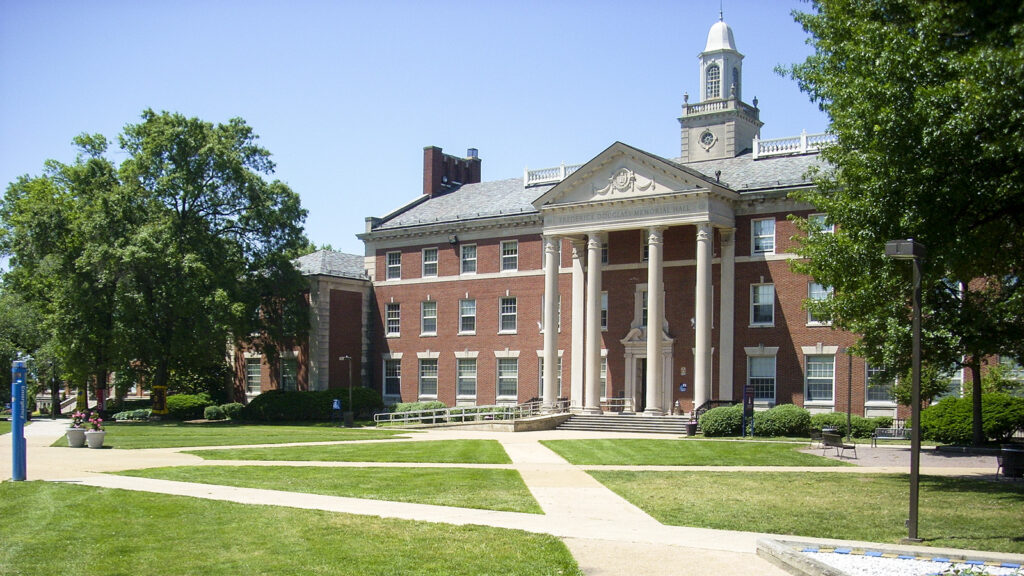
Howard University School of Social Work has been a beacon of excellence with 85 years of groundbreaking education in social justice. Ranked 12th in the nation by U.S. News, this prestigious institution leads social work education. Students become professionals who challenge systemic inequities while serving diverse populations.
The school prepares MSW graduates for advanced professional practice at local, national, and international levels. Leaders emerge ready to solve human problems and contribute meaningfully to their communities. This dedication shows Howard’s commitment to knowledge through discovery, research, partnerships, and innovative educational programs.
The Black Perspective—a unique framework that guides their social work education—has six key principles:
- Affirmation – Celebrating the richness and vigor of African Americans and Blacks globally
- Strengths – Utilizing inherent strengths to respond to continuing oppression
- Diversity – Recognizing the varied experiences within Black communities
- Internationalization – Maintaining a global focus with emphasis on Africa and the Caribbean
- Inclusion – Ensuring all people can participate fully in society whatever their background
- Social Justice – Maintaining sensitivity to experiences of all oppressed groups
The School of Social Work has deepened their commitment to Washington, D.C. communities through mutually beneficial alliances with agencies like the District of Columbia Child and Family Services Agency, Far Southeast Family Strengthening Collaborative, Central Union Mission, D.C. Public Schools, and Howard University Hospital. Students gain ground experience while creating positive changes in local communities.
Social justice, respect for diversity, and dedication to changing oppressive conditions form the school’s core values. The Black Perspective guides the institution’s priorities, focusing on the experiences and strengths of African Americans, Africans in the Diaspora, and other marginalized communities. This emphasis on equity, strength, and social responsibility shapes both education and graduate practice.
Washington, D.C.’s premier location gives students exceptional access to top-ranked policy think tanks, research institutes, non-profits, clinical settings, and child and family-serving agencies. Students can influence systems of change from the heart of national policymaking.
Leading social work practitioners and scholars make up the faculty. Their research covers child and family serving systems, positive youth development, trauma-informed care, social determinants of health, mental health, and anti-poverty policy. Students receive education that combines theoretical knowledge with practical applications.
Programs offered
Howard University’s MSW program gives you multiple paths that align with your career goals and educational background. The School of Social Work has two main tracks to get your master’s degree: Traditional and Advanced Standing.
The Traditional MSW track needs 60 credit hours and works great if you’re new to social work with any bachelor’s degree from a regionally accredited institution. You can finish this track full-time in just 16 months or take it part-time over 36 months. The curriculum has 1,000 hours of field education spread across four field courses.
The Advanced Standing MSW track serves BSW graduates from CSWE-accredited programs. This faster option needs only 30 credit hours instead of 60. Students who qualify can earn their MSW degree in two semesters through full-time study (about 8 months) or part-time in 16 months. This track requires 520 hours of field education across two field courses.
Both tracks give you two distinct concentrations:
- Direct Practice – Prepares you to work with individuals, families, and small groups. You’ll become skilled at assessment, intervention, and evaluation through courses like Direct Practice Assessment, Intervention Planning & Strategies, and Psychopathology. This concentration helps you master diagnosis, treatment, prevention, and shared problem-solving while advocating to improve service delivery systems.
- Community, Administration and Policy (CAP) Practice – Gives you skills to work with larger systems like communities and organizations. Courses such as Human Service Administration, Advanced Community Organizing, and Advanced Social Policy Analysis help you excel in planning, program development, community organizing, policy analysis, and human services management.
Howard also offers several dual degree programs with interdisciplinary approaches:
- MSW/MBA – Blends social work with business administration, perfect for students with supervisory experience
- MSW/MDiv – Gets you ready for faith-based ministry through an integrated curriculum
- MSW/MPH – Builds public health leadership skills with focus on eliminating health disparities
- S. Human Development to MSW – A faster path for Human Development majors
Every MSW program has Agency-Based Education where you complete field placements in social work agencies under licensed social workers with MSW degrees. These hands-on experiences shape your professional growth effectively.
The online MSW program, known as the MSW Starship Program, delivers the same high academic standards as on-campus learning. This relaxed option works well for working professionals and non-traditional students who want quality education while managing their current responsibilities.
About the online program
Howard’s MSW Online program delivers an authentic HBCU experience to aspiring social workers across the country through a well-designed digital world. The program builds on the Black Perspective—a framework that shows how oppression, self-determination, and culture shape service to individuals and communities, particularly those who face marginalization.
Students can choose between two distinct program paths. The Traditional track needs 60 credits and students can complete it part-time in 36 months or full-time in about 16 months. Students with a BSW from a CSWE-accredited institution can opt for the Advanced Standing track of 45 credits, finishing part-time in 24 months or full-time in roughly 12 months.
The online experience stands out with several unique features:
- Face-to-face weekly sessions let you work together with instructors and classmates in discussions that strengthen core social work concepts
- A central, mobile-friendly dashboard works on all devices, making assignments, grades, and course materials available wherever you have internet
- Self-paced lectures and interactive content come with study tools like caption priorities, focus and dark mode options, and searchable course transcripts
Field education plays a vital role in the online program. You’ll put classroom principles into practice with real clients through partnerships with agencies in your area. The placement team helps find convenient and trusted agencies so you can grow your professional network under licensed practitioners who offer immediate feedback.
The program combines structured coursework with an integrated approach to both generalist and specialized courses. Generalist courses create your professional foundation through concepts like social work and the Black Perspective, research methods, and advocacy for marginalized communities.
Howard’s admissions process reflects its core values—looking at passion and potential instead of standardized test scores, with no GRE required. This approach makes quality education available to dedicated individuals committed to social justice, whatever their testing performance.
Howard’s online MSW brings together generations of Howard-prepared leaders who lift each other up, building a vibrant community that celebrates Black voices and culturally diverse views.
Accreditation
Howard University’s MSW programs stand out from other higher education options because of their quality assurance through recognized accreditation. Fully accredited by the Council on Social Work Education’s Commission on Accreditation (CSWE), both traditional campus-based and online MSW programs at Howard University provide world-class education focused on excellence and social change.
CSWE accreditation shows that Howard’s program meets or goes beyond strict quality criteria through a complete peer review process. CSWE makes sure the program has enough resources to achieve its mission and goals. The program must also comply with every part of the Educational Policy and Accreditation Standards.
Howard University also has accreditation from the Middle States Commission on Higher Education (MSCHE). This university-wide accreditation adds another level of quality assurance for all academic programs and operations.
Students can choose either the on-campus or online format with confidence. CSWE accreditation covers all program locations and delivery methods. Both formats follow similar accreditation standards.
A CSWE-accredited degree will benefit your career long after graduation. We needed to meet specific academic requirements so our graduates can take the Association of Social Work Boards (ASWB) exam – a vital step for state licensure. Your Howard education will meet nationwide professional standards for social work practice.
CSWE accreditation proves the program’s quality and its graduates’ competence. The curriculum reflects Howard University School of Social Work’s mission. Students learn to advance human well-being, fight injustice, and serve diverse and underserved populations.
Accredited programs go through regular reviews to keep their status. Programs can be fully accredited, conditionally accredited (with issues to fix within a year), or accredited with a planned end date. Howard’s full accreditation status shows its steadfast dedication to excellence in social work education.
Admission Requirements
Howard University’s MSW program has specific academic requirements and needs a complete application package. The school takes about four weeks to process applications after receiving all materials.
Traditional MSW applicants need a bachelor’s degree from a regionally accredited college or university with at least 60 credits in liberal arts. The program doesn’t require GRE or GMAT scores, but you must prove your qualifications through other application materials.
The Advanced Standing MSW track welcomes students with a BSW from a CSWE-accredited institution earned within four years of starting the program. Students must have a B grade or higher in all social work foundation courses and a 3.0 cumulative GPA in their undergraduate studies.
Every applicant needs to submit these key documents:
- Online application with a non-refundable $100 application fee
- Three letters of recommendation on official letterhead
- Official college transcripts from every institution attended
- Application essay (maximum 9 pages, double-spaced in APA 7 format)
- Formal resume detailing relevant experience
- TOEFL/IELTS scores (international students from non-English speaking countries only)
Recommendation letters should give an objective assessment of your abilities and qualifications. Traditional MSW applicants need at least one academic recommendation from a professor or advisor, one professional recommendation from a supervisor, and a third from either category.
Advanced Standing applicants should get one recommendation from a professor/academic advisor, one from a field director, and one from a field instructor. Students who graduated more than four years ago can submit all three recommendations from professional sources.
You can submit transcripts digitally or as hard copies. The school accepts unofficial transcripts for the first review, but you’ll need to provide official ones after admission. Send official transcripts by email or mail them to Howard University’s Application Processing Center.
The application essay plays a crucial role. You must address six specific questions about social justice issues, career goals, work-life-school balance, ethical conduct, technology use, and experiences that sparked your interest in social work.
Students transferring from another MSW program or those who earned another degree within a year before applying should get at least two recommendations from faculty at their previous institution.
Tuition
A Howard University MSW degree is a most important financial investment that changes based on your program choice. The traditional MSW program costs $77,280, while the advanced standing program runs $38,640. These rates apply to the 2025-2026 academic year.
Students pay $1,288 per credit hour whatever program track they choose. Your educational experience also includes other costs. You’ll need to pay a one-time $300 enrollment deposit and a $100 application fee.
The yearly budget includes several recurring fees. A grad fee of $464 per year and a professional development fee of $185 per semester are part of your expenses. Howard University usually raises tuition rates moderately each academic year.
Howard provides several financial aid options that help students manage these costs. We focused on providing loans, scholarships, grants, work awards, graduate assistantships, and stipends. Qualified students might receive tuition remission, which lowers their overall tuition costs.
The School of Social Work’s merit-based support comes with academic requirements. New students must maintain a 3.0 GPA, while continuing students need a 3.2 GPA. Students who receive financial support typically work 10-20 hours weekly during the academic year.
Students who receive awards must take full-time credits (minimum 9 hours) in fall and spring terms. They need to attend mandatory orientation and write thank-you notes to donors by hand. The support packages are a big deal as it means that they can include both tuition waivers and stipends.
Howard’s MSW program offers economical solutions compared to other top-ranked social work programs. Many sources list it among schools that provide MSW degrees for less than $40,000.
Additional Information
Howard University’s MSW program provides strong support resources that go beyond classroom learning. Students receive detailed handbooks – one for campus (Flagship) and another for online (Starship) students. These guides outline essential policies that help students succeed in their academic work.
The field education component requires 1,000 clock hours throughout the program. First-year students spend 16 hours each week at placement sites, which adds up to 208 hours per semester. Second-year students put in 20 weekly hours, totaling 260 hours per semester. Students also attend integrated seminars that strengthen their hands-on learning.
Howard keeps its students and recent graduates updated with a carefully selected list of job opportunities. Students can find employment through Handshake, the university’s job platform, and build professional connections through the school’s LinkedIn page.
Students preparing for licensing exams get great support. The university offers a well-laid-out licensing prep course. Qualified students can also receive a one-time exam fee voucher that covers their graduate social work licensing exam registration costs.
Student Services office makes sure everyone gets the help they need. Specialized departments handle student accessibility, military and veterans services, student advocacy, and the Bison Intervention Team helps students facing academic or personal challenges. These resources work together to support students throughout their MSW experience.