
MSW at University of South Carolina
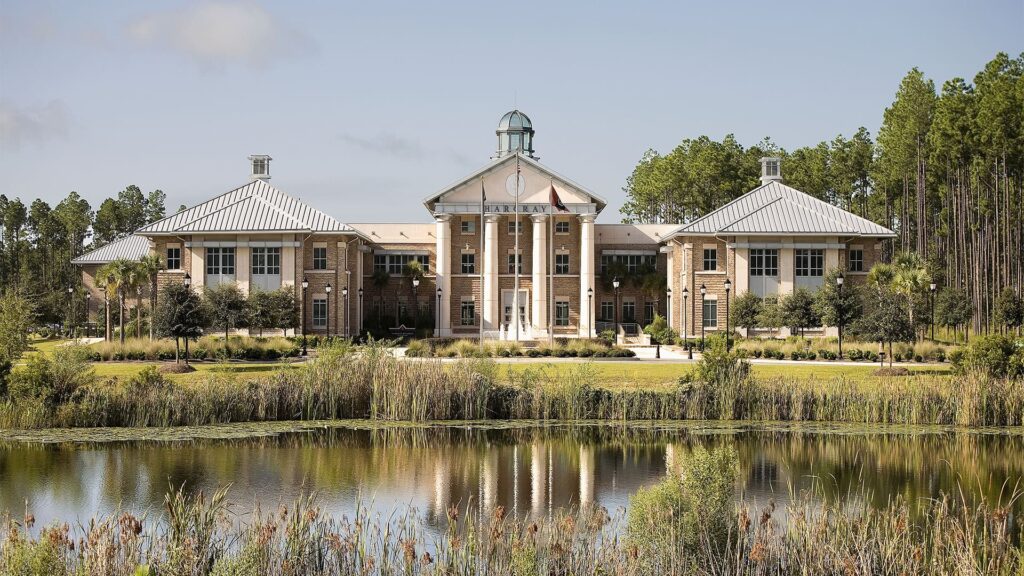
The University of South Carolina College of Social Work has shaped the well-being of individuals, families, and communities throughout South Carolina and beyond for over 50 years. Students benefit from the college’s location in Columbia, the state capital. This prime spot gives them direct access to state government and agencies, creating an unmatched chance for policy practice and advocacy experience.
The college stands among the Top 20% of Social Work programs nationally, according to US News & World Report. This recognition showcases its steadfast dedication to excellence in social work education and research. The college shapes social change through active participation and community involvement while serving as a leading research-based learning environment.
The University of South Carolina’s College of Social Work takes an all-encompassing approach to education. Students do more than study in classrooms, read books, and work in labs. They experience the world firsthand and transform their experiences into lifelong service. This practical approach prepares them to create meaningful impact from South Carolina to communities worldwide.
The college builds strong community bonds through mutually beneficial alliances with more than 500 agencies across South Carolina, North Carolina, and Georgia. These connections create valuable field education experiences. Students learn from expert faculty and community leaders while developing practical skills that complement their theoretical knowledge.
Degree options range from undergraduate to doctoral levels. The state’s largest MSW program operates in Charleston, Columbia, and Greenville. South Carolina’s only doctoral program in social work calls this college home. Students can choose the location that best fits their needs.
The curriculum and practice experiences give students the knowledge and skills to boost others’ well-being. Students join a community of social work practitioners and scholars dedicated to positive social change. This applies whether they pursue an advanced generalist career or specialized certificates.
The college provides scholarships, fellowships, and graduate assistantships to help fund education. This support removes financial barriers for qualified students passionate about social work.
The MSW program’s ground application prepares students to lead as advanced generalist social workers. The program equips them with essential knowledge and skills. This preparation serves them well whether they choose direct client service, advocacy, or policy work.
Programs offered
The Master of Social Work (MSW) program at the University of South Carolina helps you earn your degree through multiple pathways that fit your needs and circumstances. This advanced generalist program gives you the skills to work with individuals, families, groups, organizations, and communities.
Students can choose from several program options at different locations:
- Columbia Program Option: Offers a face-to-face 11-month Advanced Standing program, a two-year Extended-time Advanced Standing program, a two-year Full-time program, and a three-year Extended-time program of study (coming fall 2026)
- Greenville Program Option: Provides a face-to-face three-year Extended-time program of study
- Charleston Program Option: Delivers a face-to-face three-year Extended-time program of study
- Online Program Option: Features a two-year Full-time program with plans to add an 11-month Advanced Standing program, a two-year Extended-time Advanced Standing program, and a three-year Extended-time program (coming fall 2026)
Students complete most online MSW coursework at their own pace, with some live sessions and in-person field placements. You can balance your education with other life commitments easily.
The College of Social Work also lets you pursue two degrees at once through these combination programs:
- Social Work and Law (MSW/JD)
- Health Promotion Education and Behavior and Social Work (MPH/MSW)
- Health Services Policy and Management and Social Work (MPH/MSW)
- Public Administration and Social Work (MPA/MSW)
Students must apply separately to each program. Getting into one program doesn’t guarantee acceptance into the other.
The curriculum shapes you into a skilled advanced generalist social worker. You’ll start hands-on field education in your first semester, building professional knowledge that makes you a leader in the field.
Graduate certificates help you specialize in specific practice areas. These certificates make you more marketable and improve your expertise in chosen social work fields.
The MSW program takes an integrated approach by blending classroom learning with practical experience. This complete training opens doors to careers as a therapist, mental health coordinator, crisis interventionist, social welfare manager, school social worker, and social justice professional.
About the online program
The University of South Carolina’s online Master of Social Work program combines flexible learning with ground experience. Students learn in cohorts through this CSWE-accredited program and build lasting peer relationships and professional networks during their educational trip.
Quality remains paramount in this convenient online MSW program. Students develop core social work skills—communication, empathy, and problem-solving—through innovative curriculum and practicum opportunities across South Carolina. This combination of theoretical knowledge and hands-on experience creates well-rounded professionals.
The program stands out with its specialized knowledge areas. Students can improve their MSW education by choosing focused electives in:
- Nonprofit leadership
- Mental health
- Social and economic development
The program runs mostly asynchronously, which lets students balance their studies with other commitments. While students can work at their own pace, some synchronous sessions aid collaboration and group learning. Face-to-face client interactions remain central through in-person field placements.
Starting in fall 2026, the University will add new program options:
- An 11-month Advanced Standing program
- A two-year Extended-time Advanced Standing program
- A three-year Extended-time program
Students learn to work with individuals, families, groups, organizations, and communities. The curriculum shapes leaders who excel as advanced generalist social workers.
Students start field education in their first semester and apply classroom knowledge to ground client situations immediately. This hands-on approach reinforces theoretical concepts and builds professional confidence early.
The online MSW program upholds the same standards as on-campus programs. Graduates pursue careers in direct client service, advocacy, or policy work. Students can seek professional certification or licensure after graduation, though state requirements vary.
The University of South Carolina’s online MSW program offers a path to advanced social work education with steadfast dedication to excellence and professional growth.
Accreditation
A properly accredited program matters a lot when you’re going after your MSW. The University of South Carolina’s Master of Social Work (MSW) program has full accreditation from the Council on Social Work Education (CSWE), America’s recognized accrediting body for social work programs.
Great news came in early 2024 – both BSW and MSW programs at the University of South Carolina College of Social Work got their CSWE accreditation renewed. This validation runs until 2032, showing the college’s steadfast dedication to academic excellence. The renewal process took years of quality checks that included complete self-studies, site visits, and reviews by CSWE’s Board of Accreditation to match educational policies and standards.
CSWE accreditation brings real value to students. The peer review process makes sure programs hit or go beyond quality standards. CSWE-accredited programs prove they have the resources, structure, and curriculum needed to train graduates who can deliver ethical and competent social work services.
The biggest benefit? This accreditation opens the door to professional licensure. After graduating from South Carolina’s accredited MSW program, you can take licensure exams based on state rules. Note that while the program creates this path, you won’t automatically meet every requirement for licensure when you finish. Each state has different rules, so check with your state’s licensing board to know exactly what you need.
Every eight years, CSWE reviews accreditation. The school community looks at where the program stands now and where it’s headed. Program Outcomes reports come out yearly as part of keeping the accreditation active.
Students in CSWE-accredited programs must show they’ve mastered specific competencies that make up the accreditation standards. These skills represent what social work students should learn during their training. Programs set targets for each competency, and scores above these targets show mastery.
The University of South Carolina’s MSW program stands out as one of just three CSWE-accredited MSW programs in the state. This status covers all program options including online formats, as long as the degree comes from this program.
Admission Requirements
The University of South Carolina MSW program welcomes candidates through a competitive admission process. The university looks for students who excel academically and show dedication to social work values.
Application Deadlines:
- Advanced Standing Program: March 1 (summer start)
- Full-time Columbia, Full-time Online & Extended-time Programs: April 1 (fall start)
Students must meet specific eligibility requirements before submitting their application. A bachelor’s degree from an accredited institution and a cumulative undergraduate GPA of at least 3.00 on a 4.00 scale are mandatory. Advanced Standing candidates need a bachelor’s degree in social work from a CSWE-accredited program. This degree should be completed within five years of their predicted MSW graduation date.
Required Application Materials:
- Completed graduate school application
- Official transcripts from all colleges/universities attended (unofficial copies must be uploaded with your application)
- Statement of Purpose that outlines your professional goals, motivation, and capacity to work with people
- Current resume/CV that shows service or work experience matching social work values
- Letters of recommendation:
- Full-time and Extended-time applicants: Minimum of two recommendations from professors, employers, or supervisors
- Advanced Standing applicants: Three recommendations, including one from your BSW program director/faculty advisor and one from your undergraduate field supervisor or current social work supervisor
Advanced Standing applicants must meet additional academic standards. These include a B or better GPA in the last 60 credit hours of their bachelor’s degree and a B or better in all required undergraduate social work classes.
Students whose native language isn’t English should submit TOEFL, IELTS, PTE, or Duolingo scores.
Meeting minimum requirements doesn’t guarantee admission to the program. The MSW program values student diversity and evaluates each applicant’s complete academic profile. Some candidates might need to participate in an interview during the evaluation process.
The College of Social Work reviews completed applications and recommends candidates to the Graduate School. The Graduate School makes final decisions about acceptance.
Tuition
Planning your MSW education finances needs careful thought. The University of South Carolina’s College of Social Work has several ways to make your degree more available.
Graduate students at the University of South Carolina pay $2,256 per unit for 1-14 units. Students with a full course load of 15-18 units pay a flat rate of $33,840 each semester. The total tuition for the MSW program comes to about $108,298 for both 4-semester and 6-semester options.
Your costs will include some required fees each semester. A one-time graduate new student fee of $55, student health fee of $700 per semester, and student programming fee ($40 for campus students or $20 for online students) apply. The Norman Topping Student Aid Fund fee adds $11. You might also need student health insurance unless you can show proof of existing coverage.
The good news is that the College of Social Work offers substantial financial help. Graduate assistantships are a great way to get benefits. These positions pay hourly wages or stipends, and non-South Carolina residents can qualify for in-state tuition rates. You’ll need to stay fully admitted in the program, keep a 3.0 GPA, and take at least six credit hours to stay eligible.
The college gives out fellowships and scholarships based on your academic performance and financial needs. More than 65% of new on-campus MSW students get some scholarship help from the school. Keep in mind that scholarships rarely cover all costs. Most students use a mix of scholarships, loans, and their savings.
The university has resources to help with your financial planning. The Office of Financial Aid and Scholarships helps assess costs and find aid. The Graduate School guides you through funding options, while the Office of Fellowships and Scholar Programs helps with national competition applications.
Public service loan forgiveness programs can help reduce your debt. Working in underserved communities might qualify you for loan forgiveness through programs like the National Health Service Corps.
Additional Information
The University of South Carolina MSW program considers hands-on experience as its core. Students must complete 1,200 practicum hours during their studies. At least 1,100 hours happen at approved agencies, while 100 hours come from classroom learning. First-year students spend 450 hours across two semesters, usually working 16 hours each week. Second-year students dedicate 650 hours, averaging 24 hours weekly.
The program goes beyond classroom teaching to support your professional experience. Students get help with resume writing from the College of Social Work. They also provide continuing education and professional development workshops. Their career services team has helped with professional development for more than 3,262 alumni.
Practicum work is a great way to get networking opportunities. Nearly 24% of students find jobs through their fieldwork placement sites. Programs like the Next Generation Partnership Project show promising results too. About 86% of their stipend recipients land jobs within a year after graduating.
Graduates meet the educational requirements to pursue licensure, though requirements differ between states. Research about specific state licensure requirements becomes crucial to plan your career path.
The Graduate Student Resources Hub supports students throughout their academic experience. Students can join professional development workshops, get career coaching, and participate in accountability groups. This support continues after graduation to ensure success well beyond getting your degree.