
Preparing English Language Learners for College Success: Research-Based Tools and Guides

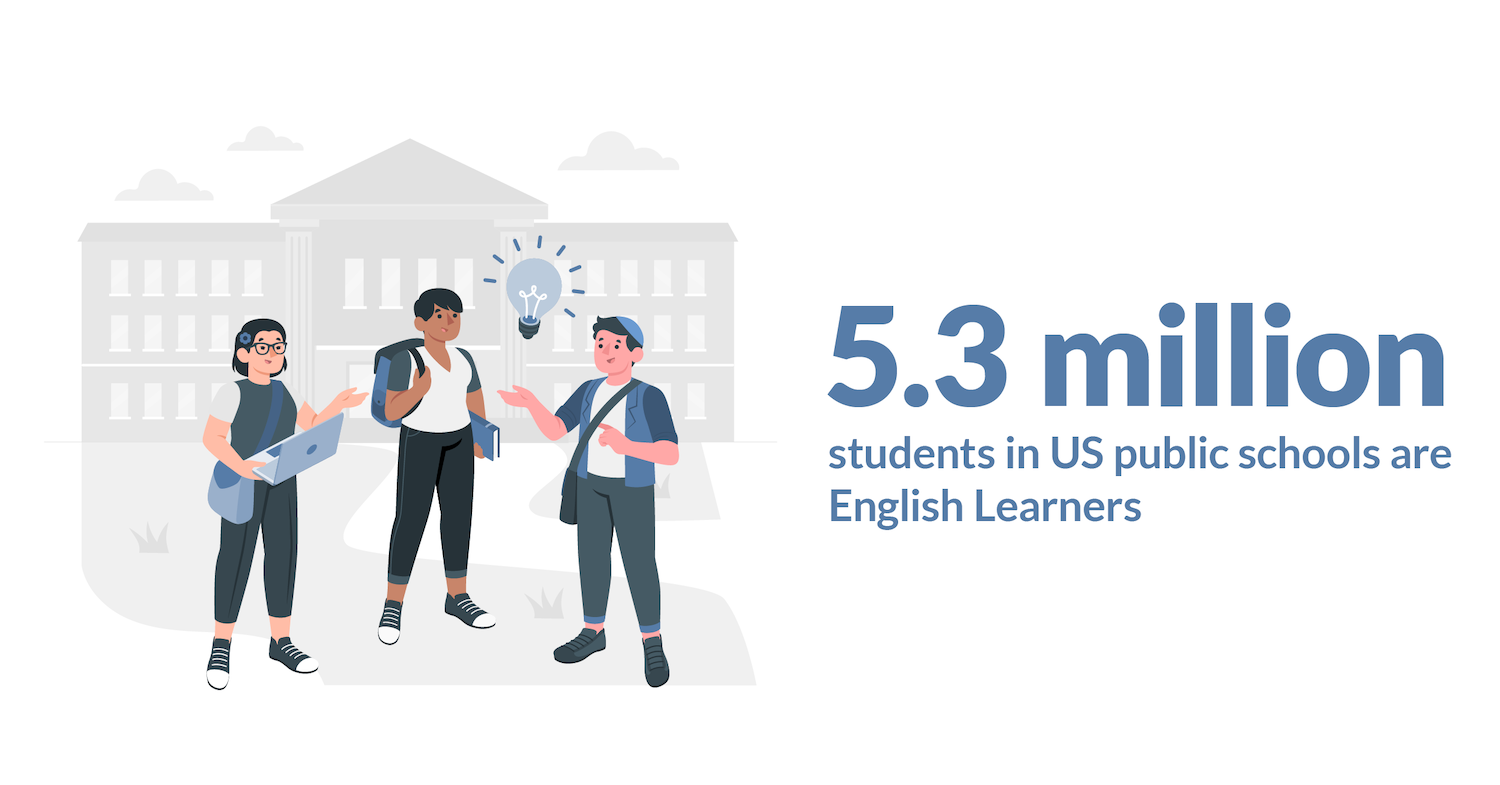
Colleges are seeing a steady rise in students who are still developing their academic English, and many arrive with strong motivation but uneven preparation in the kinds of reading, writing, and subject-area language that college demands. Nationally, more than 5 million students in U.S. public schools are classified as English learners, and a growing number continue into higher education each year. Because their backgrounds and strengths vary widely, having clear, accessible tools can make a real difference as they adjust to college-level expectations.
The resources gathered here are meant to support both students and the people who work alongside them. For learners, these websites offer practical help with everything from reading academic texts to preparing for placement tests and building confidence in math and science courses. For instructors, advisors, and tutors, the materials provide concrete strategies, glossaries, and examples that make it easier to teach content while supporting language development at the same time. Together, they create a foundation that helps multilingual students participate more fully and succeed across their classes.
Organizations
TESOL International Association
This leading professional organization for English-language teaching offers extensive resources, training, and global networking. For an ESL college student, the site provides access to high-quality learning materials, professional development opportunities, and insight into effective language-learning strategies. It also strengthens your understanding of how English is taught and learned, helping you become a more confident and informed language learner.
English Language Testing Society (ELTSociety)
The English Language Testing Society focuses on high standards in English-language assessment and proficiency testing. As an ESL college student, the site helps you understand how English skills are evaluated and what strong performance on language tests looks like. It supports you in improving your test-taking readiness and deepening your understanding of academic English expectations.
EnglishUSA represents accredited English language programs across the United States. For an ESL college student, the site provides clear guidance on locating quality language programs, tutoring resources, and academic support services. It also offers information that strengthens your understanding of how English learning programs operate within U.S. colleges and universities.
National Clearinghouse for English Language Acquisition (NCELA)
NCELA provides authoritative research, data, and tools on English language acquisition in the U.S. education system. For an ESL college student, the site delivers reliable information on language-learning strategies, policy context, and resources available to English learners. It enhances your understanding of the support structures that exist to help you succeed academically.
MIDTESOL is a regional organization dedicated to excellence in English-language teaching and learning. As an ESL college student, the site connects you to conferences, workshops, and community events that support your academic and linguistic growth. It also helps you engage with a broader network of educators and learners committed to multilingual success.
National Association for Bilingual Education (NABE)
NABE advocates for strong educational support, equity, and advancement for bilingual and multilingual learners. For an ESL college student, the site provides empowering resources, research, and community connections that affirm your identity and academic potential. It also highlights programs and initiatives designed to support your success in higher education.
National Association for Multicultural Education (NAME)
NAME promotes inclusive, multicultural, and equitable education across all learning environments. For an ESL college student, the site offers guidance that affirms your cultural and linguistic background as a strength. It also connects you with advocacy efforts, professional resources, and communities that value diversity and support your educational journey.
New York State TESOL (NYS TESOL)
NYS TESOL is a professional association dedicated to advocating for, advancing, and enriching English language education throughout New York State. For an ESL college student, the organization provides valuable connections to classroom best practices, current research, and professional networks across all educational levels. The site offers access to publications, regional events, special interest groups, and advocacy efforts that support English language learners’ success.
Writing
Michigan Corpus of Upper-Level Student Papers
This site explains and provides access to learner corpora—collections of real writings by English learners used to study common patterns, errors, and strengths. It helps students understand how language is used in authentic academic contexts and lets instructors design data-informed activities. Using corpus tools can boost vocabulary awareness, grammar accuracy, and confidence in academic writing.
Free Online English Teaching and Learning Materials
This website offers extensive reading passages, listening practices, speaking prompts, and grammar exercises for developing everyday and academic English. The activities help learners build fluency at their own pace, with materials ranging from beginner to advanced. These resources strengthen the foundational skills needed for college coursework and campus communication.
Randal’s ESL Cyberlistening Lab
Randall’s ESL Lab provides thousands of listening activities, quizzes, and pronunciation practices, sorted by skill level and topic. The real-world conversations improve comprehension of different accents, speeds, and speaking styles often heard in college environments. Regular practice with these listening tasks supports lecture comprehension, classroom participation, and note-taking.
This page gathers high-quality writing guides on thesis development, organization, grammar, argument, and academic style. The explanations are clear and practical, making complex writing expectations easier to understand. These tools support stronger essays, research papers, and disciplinary writing.
Self-Study Quizzes for ESL Students
This resource offers hundreds of self-checking quizzes on vocabulary, grammar, idioms, and reading. The short, focused exercises give students quick practice that builds accuracy and confidence. These small-step activities help reinforce language skills needed for successful academic writing and class participation.
The Purdue OWL is a leading academic writing guide with resources on citation, grammar, essay structure, research, and discipline-specific genres. Its clear explanations demystify expectations like APA/MLA formatting and thesis development. Students can rely on it as a go-to reference when writing papers or preparing assignments.
This guide teaches how to read academic texts with the goal of improving writing—focusing on argument structures, evidence use, and author choices. It helps students understand how strong writing works by studying real examples. This approach strengthens critical reading skills and supports more effective academic writing.
This resource explains how to write with audience awareness, a key skill for adapting tone, detail, and clarity to different academic tasks. It helps students understand how professors, classmates, and other readers interpret their writing. Practicing audience awareness improves clarity and persuasiveness in essays and presentations.
This page outlines prewriting strategies such as brainstorming, mapping, questioning, and organizing ideas before drafting. These strategies help students generate clearer arguments and structure assignments more effectively. It is especially helpful for reducing stress and improving the quality of early drafts.
This guide explains how to write strong conclusions that synthesize key points, reinforce arguments, and give readers a sense of closure. Students learn practical steps for avoiding repetition and creating meaningful final paragraphs. This skill strengthens essays, research papers, and reflective writing.
Testing
Free ACCUPLACER Practice Resources
This site provides official ACCUPLACER practice tests in reading, writing, and math so students can become familiar with the types of questions used for college placement. The interactive practice helps reduce test anxiety and builds confidence before taking required placement exams. Learners can strengthen academic skills in advance, which may place them into courses that better match their abilities.
ESL Resources: TOEFL Resources
This library guide offers study materials, practice tests, and online tools specifically for preparing for the TOEFL exam. It helps students improve academic reading, listening, speaking, and writing—the same skills needed for success in college classes. This resource is useful both for TOEFL preparation and general academic English development.
Resources for K-12 ELL Educators
This ACT resource page provides supports such as accommodations, test preparation tools, and information designed to make standardized testing more accessible for English learners. Students can learn what supports are available and how to prepare effectively for college-readiness exams. These tools help ensure fair testing conditions and greater confidence when taking high-stakes assessments.
English Language Learners (ELL): Websites: Activities, Quizzes, Test Prep
This library guide brings together grammar tools, pronunciation resources, dictionaries, and writing support websites for developing English skills. It gives students quick access to reliable help with vocabulary building, sentence structure, and speaking practice. These tools reinforce the language skills needed for successful communication in college courses.
This study guide explains what to expect on ESL placement tests and includes practice questions to help students prepare. It makes the testing process clear and reduces uncertainty about placement procedures. By reviewing sample items, learners can enter placement exams more confidently and secure a level that truly matches their skills.
SAT Supports for English Learners
This page describes the accommodations and supports available to English learners taking School Day SAT exams. It outlines eligibility, types of language supports, and how schools can request them. Understanding these options helps students receive appropriate assistance and perform their best on college-readiness tests.
Math/Science
Math Instruction for English Language Learners
This article explains strategies for making math instruction clearer and more accessible for multilingual learners. It highlights ways to connect language and math, such as using visuals, sentence frames, and structured math talk. These approaches help students understand complex concepts even when they are still developing English proficiency.
Stanford’s Understanding Language project provides research-based teaching resources focused on language development across academic subjects. The materials help students actively use language while learning content, which strengthens both communication and comprehension. These supports can make college coursework more manageable by clarifying expectations and boosting skill development.
Strategies & Resources for Teaching Math to English Language Learners
This blog shares math-specific strategies designed to help multilingual learners participate confidently in problem-solving and discussion. It offers practical tips like using visuals, encouraging collaborative talk, and connecting math vocabulary to real contexts. These tools help students succeed in math-heavy college classes.
This site collects free educational resources, including literacy, digital skills, and career-readiness tools. Clear explanations and skill-building materials support learners who may still be strengthening their English foundation. These resources help students prepare for college coursework and develop the academic skills needed for success.
Math Instruction for English Language Learners
Reading Rockets provides strategies for helping students understand math through language supports, such as vocabulary instruction and structured math talk. The article shows how to reduce language barriers that can make technical subjects difficult. Using these methods helps students engage confidently in college-level math.
STEM Resources for EAP, ESL & International Students
This Saint Louis University library guide offers curated resources for supporting multilingual learners in reading, writing, and subject-area learning. It directs students to reliable tools such as dictionaries, tutoring links, and study strategies. These resources strengthen academic performance and confidence across college courses.
How To Support Multilingual Learners in Engaging in Math Conversations in the Classroom
This page explains how to help multilingual learners participate fully in math discussions using sentence frames, modeling, and structured talk. It highlights ways to make math reasoning visible and accessible. These practices help students communicate their thinking clearly in college math classes.
Strategies to Support STEM and Language Learning for Your ELL Students
This blog discusses how language and STEM learning intersect, offering strategies for supporting understanding in science and math. It emphasizes vocabulary development, hands-on learning, and visual supports. These methods help students understand technical content while continuing to develop English proficiency.
Bilingual Glossaries and Cognates
This resource provides bilingual glossaries and cognate lists across many academic subjects. These tools help students quickly understand academic vocabulary and recognize similarities between English and their home language. Using glossaries reduces confusion and supports success in reading college textbooks.
Ten Tips for Teaching ELL Science
This article offers practical tips for helping multilingual learners understand science content through visuals, modeling, and structured language supports. It shows how to make complex scientific ideas easier to grasp. These strategies can help students succeed in science-based college classes where language demand is high.
Teaching Mathematics and Science to English-Language Learners
This PDF provides research-based guidance on supporting multilingual learners in content-area instruction, including math and science. It describes strategies such as scaffolding, vocabulary instruction, and clear routines that reduce language barriers. These approaches help students access challenging college coursework more effectively.
Research
Research Findings on Best Practices for Teaching ESL
This report from Bunker Hill Community College outlines four key practices that positively influence college-level English learners’ success: institutional support, student perceptions of the program, teacher attitudes/approaches, and curriculum design. It emphasizes asset-based and accelerated models rather than deficit/remedial models, highlighting how multilingual students succeed when their language skills are seen as assets and when curriculum is tied to challenging academic content and students lived experience.
English Learners’ College Persistence and Completion: Paths to Success
This study examines persistence and completion rates for English learner students at a community college in Oregon, comparing two programs (an academic-contextualized “Bridge to College” model and a career-contextualized model) and finds that participants in these programs have higher persistence and completion compared to general student populations and earlier cohorts. It cautions that while results are promising, further research is needed to control for background characteristics (e.g., prior schooling, motivation) to isolate program effects.
English Learners and ESL Programs in the Community College: A Review of the Literature
This literature review from the Community College Research Center at Teachers College, Columbia University explores the landscape of English learner students in U.S. community colleges, examining their academic needs, instructional practices, assessment/placement decisions, and identity issues. It highlights that although the population needing English language support is large and growing, the research base on postsecondary outcomes for this group remains limited, and colleges’ policies and program designs vary widely.
This article in LiCS examines how multilingual writers engage in translingual practices, showing that students who bring multiple language resources into their writing draw on these to navigate academic tasks. It argues for pedagogy that recognizes such students’ bilingual or multilingual repertoires as assets—not just deficits—which supports more inclusive composition instruction. The piece further signals that institutional and instructional shifts are needed to enable multilingual students’ success in college-level writing.
Social-Belonging Exercise Improves ESL Student Success
This briefing reports on a study across 19 U.S. universities that found a brief “social‐belonging” exercise boosted sense of belonging and improved the STEM‐related GPA and credit completion of students who speak English as a second language. It highlights the power of relatively low-cost psychological interventions to support multilingual learners in higher education.
Building Research Skills for ESL Students
This article from University of Bridgeport describes how their English Language Institute implemented a Research Writing course that trains students in academic database use, summarizing, quoting, and APA citation, thereby preparing them for college-level work. It underscores how explicitly teaching research skills helps multilingual students transform language‐based challenges into academic strengths.
This peer‐reviewed article explores the experiences and outcomes of multilingual learners in higher education, focusing on pathways, supports, and institutional practices that influence success in English-medium contexts. It provides empirical evidence that targeted support (e.g., language, academic, social) correlates with better retention and progression of this population. It therefore offers actionable insights for program design and policy for colleges.
New Majority Learner Data Stories: English as a Second Language (ESL) Student
his blog post presents data stories and reflections that shed light on the growing presence of multilingual learners (“new majority” learners) in U.S. higher education, their varied backgrounds, and the institutional practices that help or hinder their progress. It emphasizes narrative + data as a means to shift mindsets from “remediation” toward recognition of multilingualism as a resource. It encourages educators to rethink traditional language support models and integrate multilingual paths across campus.
This master’s thesis investigates academic writing challenges and supports for multilingual students at the university level, drawing on student interviews and institutional document analysis. It identifies specific linguistic, cultural, and structural barriers (e.g., unfamiliarity with U.S. academic norms, limited discipline‐specific writing support) and recommends scaffolded writing programs embedded within courses. It contributes to the base of scholarship showing that embedded support rather than isolated language classes better serves multilingual learners.
ESL and ELL Program Effectiveness: Providing Academic Success viding Academic Success for Students
This thesis from California State University Monterey Bay examines how multilingual students experience online/hybrid instruction and what practices promote their engagement and success. It finds that interactions (peer, instructor), clarity of expectations, and alignment of language with disciplinary tasks matter a great deal for retention and satisfaction. It concludes with recommendations for instructors to design inclusive online learning environments that support linguistic diversity.
ESL Student Success in Higher Education
This white paper produced by Cambridge University Press addresses how English for Academic Purposes (EAP) supports multilingual learners in U.S. higher education, covering topics like critical thinking, academic conventions, internet research, and avoiding plagiarism. It notes that learners who are less familiar with U.S. academic culture especially benefit from structured support that bridges language and disciplinary expectations.
Do Students Who Take ESL Courses Have Higher Test Scores In English 101? A Comparative Study
This dissertation examines the post-secondary experiences of multilingual learners in a specific institutional context, identifying how language proficiency, academic self-efficacy, and institutional supports interact to shape outcomes. It highlights the importance of early diagnosis of language needs, mentor/peer support, and curricular alignment for enabling success. It offers programmatic recommendations for supporting multilingual learners in U.S. colleges.
This article explores how ESL placement and residential schooling experiences affect immigrant student achievement in U.S. higher education, finding that tracking students into remedial language programs often limits their academic trajectories. It argues for more dynamic, integrated language support rather than static placement, and underscores the need for institutions to rethink how they label and support multilingual learners.
This article in the Journal of Emerging Media & Reading examines the literacy practices of multilingual learners in college that extend beyond language (e.g., digital literacies, multimodal writing), and how these practices intersect with institutional expectations. It emphasizes that college programs should recognize the breadth of students’ literate lives and design tasks that value multilingual and multimodal literacies. It thus contributes to the growing body of research advocating for inclusive approaches to writing instruction for multilingual learners.
Podcasts
This site offers short, topic-based podcasts spoken in natural English. It helps ESL college students build listening skills through real conversations and practical vocabulary. The clear audio and level-based materials make it easy to choose episodes that match your learning needs.
Culips provides high-quality podcasts that explain everyday English expressions, conversations, and cultural topics. The hosts break down real language in a friendly and easy-to-understand way, supporting your listening comprehension and fluency. It helps ESL college students feel more confident using English in everyday and academic settings.
Luke’s English Podcast delivers engaging stories, explanations, and conversations designed to help learners improve natural English. The host uses humor and clear teaching strategies to support vocabulary growth and listening confidence. It gives ESL college students an enjoyable way to experience authentic English.
BBC – The English We Speak (Downloads)
This BBC series teaches common expressions, idioms, and phrases used in everyday British English. Each short episode helps you understand how real speakers use these expressions naturally. It supports ESL college students in sounding more fluent and understanding native-level conversations.
This podcast explores topics in language teaching, linguistics, and English learning around the world. It provides thoughtful discussions that deepen your understanding of how English is taught and used. ESL college students gain insight into the field of language education, which can support both learning and academic research.
This podcast features powerful storytelling about real people and events in the U.S. It exposes ESL college students to natural speech, diverse accents, and cultural themes. The rich narratives help you develop advanced listening skills and cultural understanding.
This popular BBC series teaches useful vocabulary, current topics, and everyday English in short, easy lessons. The episodes use clear pronunciation and natural conversation to build listening confidence. ESL college students benefit from learning real English through engaging, timely topics.
EnglishClass101 offers structured audio and video lessons for learners at every level. It supports ESL college students with vocabulary building, grammar explanations, and everyday conversation practice. The connected learning system allows you to improve steadily through short, focused lessons.
VOA Learning English provides news stories, videos, and lessons spoken at a clear, slow pace for English learners. It helps ESL college students understand world events while practicing listening and vocabulary. The site also includes academic and professional English resources useful for college success.
ESLPod offers English-learning podcasts that explain vocabulary, idioms, and cultural points in clear, teacher-guided lessons. The slow, thoughtful pace helps college-level ESL learners understand details and improve comprehension. It provides strong support for building everyday and academic English skills.
All Ears English Podcast (Apple Podcasts)
All Ears English focuses on natural, conversational American English. The hosts teach real-life expressions, cultural nuances, and confidence-building strategies. ESL college students gain practical tools for speaking more fluently and connecting in social and academic settings.
Videos
The Ultimate ESL Activities for Adults
This video compiles a variety of engaging speaking and interaction activities designed for adult learners who are developing language fluency. It helps participants practice real-life communicative tasks in low-risk, fun settings, boosting confidence and group interaction. It can be especially useful for fostering classroom engagement and conversational readiness in a college context.
This web resource provides a curated collection of video-based learning materials on language development, listening skills, vocabulary, and academic transition topics. By accessing a variety of formats, learners can adjust to different accents, speeds, and contexts, supporting their overall academic readiness. It serves as a convenient supplementary resource for strengthening language alongside discipline-based study.
This video focuses on advanced vocabulary and conversational language commonly used in university settings, helping learners master the phrases and discourse typical of academic life. It supports smoother participation in campus discussions, lectures and peer interactions by giving explicit practice in higher-level language use. It is valuable for bridging the gap between general language proficiency and university-specific communication demands.
Let’s Learn English! Topic: College and University
This lesson-only video covers key language and academic content related to university life—what to expect, how to navigate classes, and how to talk about the college environment. It helps learners build situational vocabulary and listening/understanding skills for the campus context. Its structured format offers a focused way to prepare for college workflows, discussions and assignments.
10 Speaking Activities for Adults – Advanced English Conversation: Education in the US
This video focuses on speaking scenarios relevant to higher-education settings—giving learners practice with discussion prompts, communication tasks, and academic vocabulary. It encourages participation in classroom talk and peer interactions by modeling real-life university language. This kind of preparation bolsters readiness for seminar discussions, group projects, and presentation tasks.
Advanced English Conversation: Education in the US
In this conversation-style video, participants discuss issues related to the U.S. education system, exposing learners to natural academic discourse, listening to nuanced opinions, and engaging with vocabulary at a higher level. It supports development of listening comprehension, note-taking, and understanding of lecture-style or scholarly conversation formats. Using this helps learners become more comfortable in academic lectures and discussions.
ENGLISH AS A SECOND LANGUAGE: The University of Texas at Austin
This video highlights a university-level program designed for multilingual learners, showcasing how institutional support, curricula, and classroom environments are structured for success. It gives learners insight into how college programs work, what kinds of supports are available, and how they can navigate them. Viewing this helps demystify the higher-education experience and reinforces that resources and practices exist to support their journey.