
Barry University MSW Program
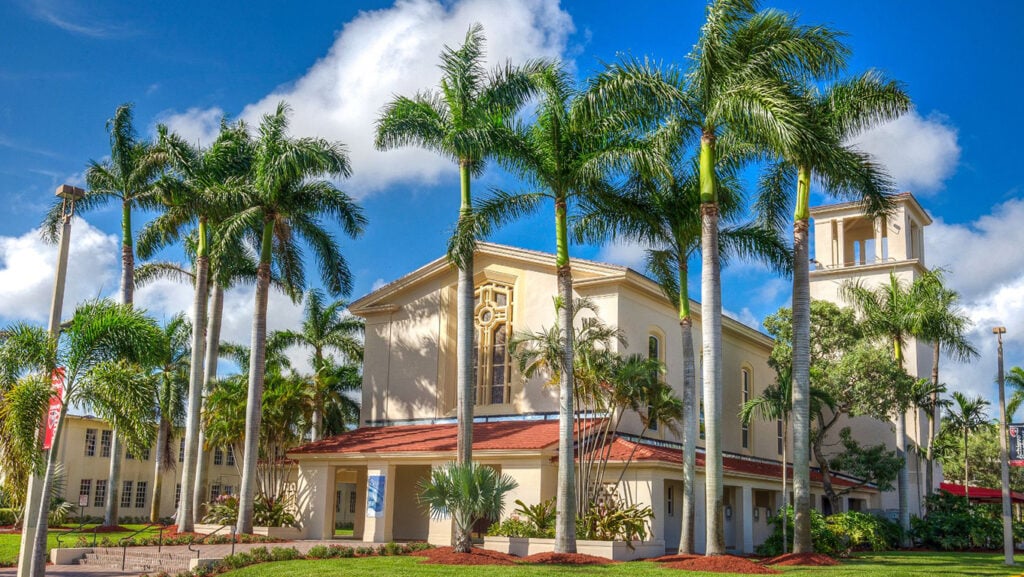
Barry University’s School of Social Work leads social work education in South Florida. The school started the first graduate social work program in the region back in 1966. U.S. News and World Report ranks it first in South Florida and #78 nationally, alongside respected schools like California State University in Long Beach.
The school became the Ellen Whiteside McDonnell School of Social Work in 1984. This name honors a woman whose influential contributions shaped Florida’s social welfare programs. Her legacy of social change continues to guide the school’s mission today.
Academic programs expanded thoughtfully over time. The school launched a PhD in Social Work in 1983. This program prepares advanced practitioners and scholars to take leadership roles in their communities. A Bachelor of Social Work program started in 2000. The Council on Social Work Education fully accredited it in 2003 and renewed the accreditation in 2017.
Students at Barry University’s MSW program receive tailored education. A 15:1 student-faculty ratio ensures personal attention throughout their learning experience. More than 80 percent of faculty members hold PhDs or the highest degree in their field.
The school uses a trauma-informed clinical practice framework. This approach creates practitioners, clinicians, leaders, thinkers, and change agents through quality academics and engaging field placements. Students learn current trauma-informed resiliency frameworks and clinical skills needed for advanced licensure.
Barry’s master’s programs blend theoretical knowledge with practical application. Advanced social work students study social welfare policy, human behavior, and ethics. They gain hands-on experience in clinical settings. This complete preparation helps graduates succeed in various professional settings.
The Council on Social Work Education (CSWE) recognizes Barry University’s School of Social Work among more than 200 accredited graduate schools in the United States. This accreditation shows the school’s dedication to excellence in educating future social work professionals.
Programs offered
Barry University’s Master of Social Work program offers flexible options that fit different student needs and backgrounds. The MSW program takes a unique approach to social work education by focusing on trauma-informed, resiliency, and competency-based learning.
Students can choose between two main MSW pathways at Barry University:
Traditional MSW Program (63 credits) This complete program serves students who don’t have a bachelor’s degree in social work. Students build a strong foundation in generalist practice and then move on to specialized clinical training. The program includes 900 hours of clinical internship experience along with coursework. Your options include:
- Full-time at Miami Shores campus (4 semesters typically)
- Part-time at Miami Shores campus (8 semesters typically)
- Part-time online format (about 28 months)
Advanced Standing MSW Program (32 credits) Students with a BSW from a CSWE-accredited program can take this accelerated path. The program focuses on advanced clinical practice and requires 500 hours of clinical internship experience. You can choose from:
- Full-time at Miami Shores campus (2 semesters typically)
- Part-time at Miami Shores campus (4 semesters typically)
- Full-time online format
- Part-time online format (about 16 months)
The MSW program runs year-round with fall, spring, and summer semesters both on campus and online. Students can start at Miami Shores campus in any semester, with classes scheduled during weekdays and evenings to offer maximum flexibility.
Each program variation prepares you for advanced licensure with a clinical focus. Students progress from generalist practice foundations to specialized clinical training. The program includes:
- Social work theory, clinical practice methods, human development, psychopathology, and policy practice coursework
- Clinical internship experience with required seminar participation
- Specialized training in trauma-informed approaches and neurobiological aspects of clinical practice
Online students participate in scheduled live virtual sessions and complete coursework at their own pace. This structure helps students stay connected with instructors while managing their busy schedules. Barry’s resources, including faculty advisors and professional development programs, remain accessible to online students.
Every program option includes hands-on experience through clinical placements. Students work in various settings like schools, hospitals, health centers, criminal justice agencies, and community organizations.
About the online program
Barry University’s online Master of Social Work program caters to working professionals. Students get the same high-quality education as on-campus students through a flexible digital format. The program offers both a traditional 63-credit and advanced standing 32-credit path.
What makes Barry’s online MSW special is its fresh take on digital learning. Students join weekly live virtual sessions that feel just like real classrooms. These online meetings run for 90 minutes – much shorter than the 3.5-hour campus classes. This setup strikes the right balance between flexibility and interactive learning.
Students can finish their coursework and field work when it fits their schedule. This flexible approach helps them keep up with their jobs and personal lives while earning their degree.
The program focuses on clinical training to prepare students for advanced clinical social work licensure. Students learn about trauma-informed resiliency frameworks and build strong skills in policy, leadership, and social research. This integrated approach will give students the skills they need to work in a variety of practice settings.
Barry’s personal touch shines through even in the online format. Each student gets their own faculty advisor who guides them throughout their journey. On top of that, online students can use all Barry’s resources, including career development programs and direct access to the Program Director.
Students can finish the Advanced Standing online part-time program in just 16 months (four semesters), with 8-10 weekly clinical internship hours. The Traditional part-time online program takes about 28 months. Both options maintain the same high standards as campus programs.
The quality of Barry’s faculty makes a big difference in the online experience. Our instructors have earned international recognition for their research and clinical expertise. They help students find meaningful clinical internships that match their strengths and career goals.
The program combines independent study with live sessions. Students use Canvas LMS for coursework and join live meetings through platforms like Microsoft Teams. This approach helps them become real members of the Barry community, not just degree seekers.
Accreditation
The Barry University MSW program upholds quality education through strict accreditation standards. The Master of Social Work program has received full accreditation from the Council on Social Work Education (CSWE). CSWE is the leading accrediting organization for social work education in the United States. The current accreditation period runs from 2017 through 2025, which gives students confidence in the program’s quality standards.
CSWE accreditation means more than just a credential. It validates that the program meets national standards for social work education. The Council on Social Work Education’s Commission on Accreditation (COA) creates complete standards that define competent preparation. These standards help social work programs maintain consistent quality. Students benefit from this oversight because it ensures curriculum relevance and professional recognition of their degree.
The CSWE Office of Social Work Accreditation oversees a detailed accreditation process. Programs must complete self-studies, host site visits, and undergo Commission on Accreditation reviews. This full assessment looks at every part of the educational experience to verify professional standards.
A vital advantage of the Barry University MSW program’s accreditation status covers all approved program locations and delivery methods. Students receive the same accredited education through the Miami Shores campus or the flexible online format. Employers and licensing boards recognize both options equally. The Bachelor of Social Work Program and Master of Social Work Program maintain similar accreditation credentials.
The program’s steadfast dedication to educational excellence matches the Council for Higher Education Accreditation (CHEA) requirements. This connection strengthens the program’s position in higher education quality assurance systems.
Barry University has earned many specialized accreditations beyond CSWE. The Southern Association of Colleges and Schools Commission on Colleges has accredited the institution to award degrees from baccalaureate to doctoral levels. This regional accreditation adds another layer of quality assurance to the program-specific credentials.
The Barry University master’s programs follow educational guidelines that prioritize equity and inclusivity. These policies give fair access to educational opportunities for underrepresented, historically marginalized, and currently oppressed groups. This approach matches CSWE’s Educational Policy and Accreditation Standards (EPAS) 4.1.1, showing how accreditation shapes program values.
Admission Requirements
The Barry University MSW program has specific criteria to ensure you’re ready for graduate-level social work education. The admissions team reviews your academic credentials and personal qualities to determine your potential success in the field.
Students who want to join the traditional MSW pathway need a bachelor’s degree from a regionally accredited or internationally recognized college or university. A minimum GPA of 3.0 in the last 60 earned college credits is required. Your degree should have at least 30 liberal arts credits that cover social, behavioral, and biological sciences.
Advanced Standing candidates must meet extra requirements. We mainly looked for a BSW degree from a CSWE-accredited program earned in the last five years and a cumulative 3.0 GPA in all social work courses. Students from other countries with BSW degrees from non-CSWE accredited institutions need their credentials reviewed by the CSWE Office of Social Work Accreditation.
All applicants must submit:
- Two letters of recommendation from professors, professionals, supervisors, or community leaders who can attest to your readiness for graduate studies
- A personal statement (minimum 500 words, double-spaced in APA format) responding to one of several provided prompts
- A $30 non-refundable application fee
Advanced Standing applicants can use their final undergraduate field evaluation instead of one recommendation letter. The program might make exceptions to the 3.0 GPA requirement in special circumstances, which would need an interview with the Admissions Committee.
The Barry University MSW program shows its steadfast dedication to fair admissions practices. Their policies match CSWE Educational Policy and Accreditation Standards, which gives underrepresented and historically marginalized groups fair access to education. Students can find available application formats, thorough review procedures, and flexible criteria that value different experiences.
International students who don’t speak English as their first language need to prove their English skills. They can submit TOEFL scores (minimum 79 iBT/550 paper-based), IELTS (minimum 6.5), or Duolingo English Test (minimum 85). Students with at least 24 college-level academic credits from an English-speaking institution might not need these test scores.
Tuition
The Barry University MSW program features straightforward and competitive pricing. Students pay $675 per credit for the 2024-2025 academic year. This rate stays the same for both traditional and advanced standing online formats. Social Work program tuition adds up to $42,525 across fall, spring, and summer semesters.
Barry believes strongly in financial support. The university manages around $150 million in student financial aid that helps more than 90% of its students. Your actual costs might end up much lower than the listed tuition rate.
The Barry University MSW program creates special scholarship opportunities just for social work students. Students love the Kolasa Scholarship’s unique structure – the Kolasa Foundation covers 50%, Barry University provides 25%, and students contribute 25%. The Peacock Foundation Scholarship helps students who maintain a 3.3 GPA and have an Expected Family Contribution score of $7,000 or less.
The School of Social Work provides many more financial aid programs beyond these targeted scholarships. Religious community clergy members receive graduate program discounts through the Professional Recognition Scholarship Program.
The Barry University master’s programs recognize education as a major investment and provide flexible payment options. Students can choose between a Corporate Deferred Payment Plan at $150 per semester or a standard Payment Plan at $35 per semester. Additional costs include the required Student Services Fee – $150 during summer terms and $375 during fall and spring terms for students taking four or more credits.
An MSW degree’s value goes well beyond its cost. The degree opens doors to careers in mental health, healthcare, and community services where demand runs high. This educational investment pays off through immediate professional credentials and long-term financial benefits.
Additional Information
The Barry University MSW program goes beyond standard academics with policies that ensure education for everyone. The university follows the Americans with Disabilities Act and gives equal opportunities to students with physical or mental impairments that affect major life activities. The Office of Accessibility Services provides complete support for students who need accommodations.
Students must follow Core Performance Standards aligned with the NASW Code of Ethics. These standards require them to keep their personal issues separate from professional judgment. Barry’s social work program, 57 years old, builds on values that celebrate cultural diversity, ethical practice, and community participation.
Professional development thrives through field education. The university partners with a variety of agencies like Catholic Charities, Broward County Public Schools, and Jackson Health Systems. Each field educator must have an MSW from a CSWE-accredited institution and at least two years of experience after graduation.
The Career and Experiential Learning Team equips students with job-searching skills they need in today’s competitive market. Your graduation opens doors to the Alumni Association’s network, professional development tools, and volunteer programs. This lifelong connection helps accelerate your career growth in the social work community.