
UW-Stevens Point MSW Program
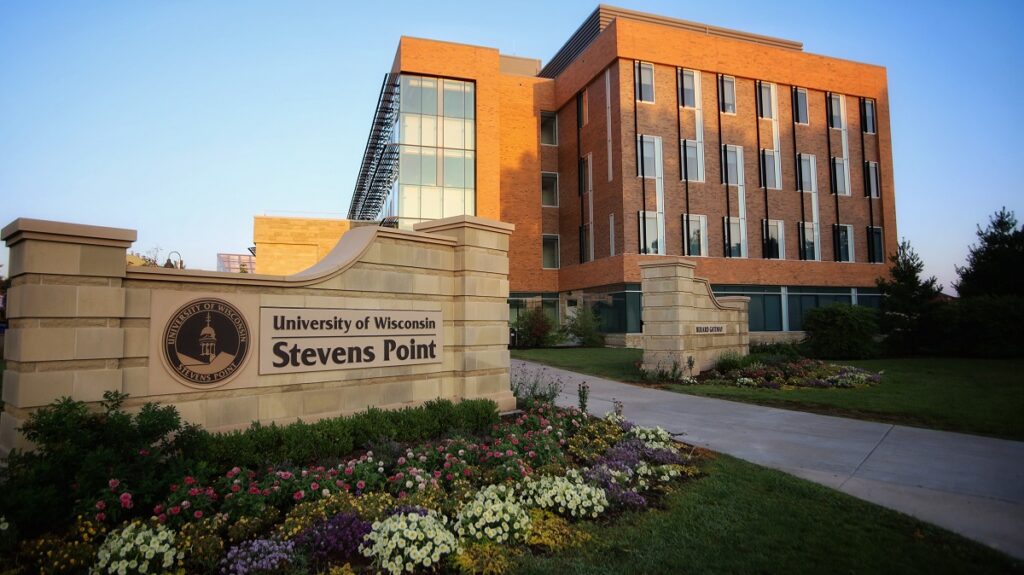
The University of Wisconsin-Stevens Point’s Master of Social Work program stands out in the College of Letters and Science’s Sociology and Social Work department. This program builds on years of excellence that has shaped professionals serving Wisconsin communities and beyond.
UW-Stevens Point spreads its educational reach through multiple campuses in Wisconsin. The main campus is in Stevens Point at 2100 Main Street. Branch locations include UW-Stevens Point at Marshfield (2000 W. 5th Street) and UW-Stevens Point at Wausau (518 South 7th Avenue). Students from all over central Wisconsin can access education through these locations.
The MSW program naturally grew from UW-Stevens Point’s strong undergraduate social work foundation. Students learn from a curriculum that meets today’s workforce needs in child and family services, mental health, healthcare systems, and substance use disorders. The program wants to create advanced practice social workers who can lead in advocacy, policy development, and direct service delivery.
The MSW program’s credit requirements depend on your background. Students without a CSWE-accredited bachelor’s degree in social work need 64-66 credits. Those with a CSWE-accredited bachelor’s degree in social work can skip the foundation year and complete 33-35 credits. This setup recognizes prior learning while ensuring every graduate gains advanced skills.
The program timing works around different student schedules. Regular standing students can finish in 2 years full-time or 4 years part-time. Advanced standing students complete their degree in 1 year full-time or 2 years part-time. You can pursue advanced education whatever your personal and professional commitments might be.
Field education plays a key role in the MSW curriculum. Regular standing students complete 400 practicum hours in their foundation year and 500 more in their advanced year. Advanced standing students do 500 practicum hours during their advanced year. These hours spread across the academic year (September-May), about 17 hours weekly. You can balance field work with courses. The program partners with agencies throughout Wisconsin so you can complete practicum requirements near home.
The UW-Stevens Point MSW Program is working toward CSWE accreditation and currently holds pre-candidacy status. Students who start in fall or later of the academic year when candidacy status is granted will be recognized as graduates of a CSWE-BOA accredited program once initial accreditation comes through.
Student life goes beyond classrooms. The Sociology and Social Work Organization gets students involved in meaningful activities. They raise funds for cancer research, organize food drives, and take part in local volunteer work. The Phi Alpha Honor Society connects dedicated social work students and promotes humanitarian goals. Members show excellence in scholarship and achievement.
Students must show they’ve mastered key competencies that match CSWE standards. This gives graduates the knowledge, skills, and values they need for effective practice.
Recent data shows interesting trends in the undergraduate program. In 2021-2022, 38 students earned social work bachelor’s degrees. Women made up 97% of graduates, with men at 3%. White students represented 89% of the graduating class.
The MSW program meets workforce needs in many sectors. It focuses on child and family social work, mental health, healthcare systems, and substance use disorders. Graduates become collaborative leaders who support social, economic, racial, and environmental justice.
Professor and MSW Program Director Amy Zlimen Ticho describes the program as “online but engaged.” Students connect with peers and instructors to build essential interpersonal skills.
The Fall cohort starts with part-time students who don’t have an undergraduate social work degree. Later cohorts will include full-time options and paths for all students.
Students can specialize in school, clinical, or medical social work, with other options available. This training opens doors to work in child welfare, youth justice, schools, mental health, substance use treatment, healthcare, aging services, developmental disabilities, and criminal justice.
The program uniquely prepares social workers for rural areas. Assistant Professor and MSW Field Director Olivia Gerrish explains: “There is an added element of creativity and critical thinking necessary to make sure clients have what they need within a limited environment while maintaining professional boundaries in small, close-knit communities”.
Faculty members listen to student feedback about online learning. Zlimen Ticho shares, “We hear that students don’t always feel like they’re a part of something when they’re in an online program. Our goal is to promote a sense of community and belonging and help students feel like they’re taking their MSW experience in partnership with other students and with the faculty in the program”.
Gerrish sums up the program’s vision: “We are designing the program to meet students where they are today but also thinking about what they’ll need down the road. We’re building on decades of social work education while incorporating fresh ideas to create something really powerful”.
The UW-Stevens Point MSW program features a curriculum that prepares social work professionals for advanced practice. The program offers two distinct paths based on your education background. You can choose regular standing without a bachelor’s in social work or advanced standing if you have a BSW from a CSWE-accredited institution.
Programs Offered
UW-Stevens Point’s MSW program helps you develop specialized skills for advanced clinical social work practice. You’ll learn to work with individuals, families, groups, and communities that face complex challenges. The program combines evidence-based practice with social work ethics and values.
Core coursework includes these key areas:
- Advanced clinical assessment and intervention techniques
- Policy analysis and advocacy
- Research methods for evidence-based practice
- Trauma-informed care approaches
- Cultural competence and diversity
The program lets you focus your studies based on your career goals through specialized paths. You can choose from school social work, clinical social work, and medical social work concentrations. The program also gives you room to customize your education toward other social work fields.
About the Online Program
UW-Stevens Point’s MSW program runs mostly online to suit working professionals. The program uses a hybrid model that blends self-paced learning with scheduled live sessions. This approach maintains the personal connections that social work education needs.
You can complete readings, assignments, and discussions at your own pace. Live video sessions let you interact with classmates and faculty in real-time. This setup helps you build the teamwork skills you’ll need as a social worker.
Program directors created this “online but engaged” approach after students shared feedback about traditional online programs. You’ll be part of a learning community that builds meaningful connections across distances. This setup meets social work education’s unique needs for both theory and people skills.
A learning management system delivers course materials, including readings, recorded lectures, discussion forums, and tests. Live sessions usually happen in the evenings to fit working professionals’ schedules. Times may vary by course and instructor. This setup lets you keep your current commitments while staying fully engaged.
Field education plays a key role in the online program. While most courses are virtual, you’ll do hands-on training at approved sites near your home. This lets you apply what you’ve learned in real-life settings without moving. The program partners with agencies across Wisconsin and beyond to provide these learning experiences.
Accreditation
The UW-Stevens Point MSW Program has pre-candidacy status with the Council on Social Work Education’s (CSWE) Board of Accreditation. This means the program has applied for candidacy but hasn’t yet met all Educational Policy and Accreditation Standards.
New programs follow specific steps toward accreditation. Programs first show how they’ll meet CSWE standards. After review, they may get pre-candidacy status, then candidacy, and finally, initial accreditation once they meet all standards.
Students should know what this status means. Those who start the program during or after the candidacy year will graduate from a CSWE-accredited program once it gets initial accreditation. This protects early students from job or licensing issues while the program completes accreditation.
UW-Stevens Point stays in touch with CSWE throughout this process and follows all quality requirements. The program builds on the university’s successful BSW program while meeting graduate-level standards.
Admission Requirements
UW-Stevens Point’s MSW program looks at your academic history, work experience, and personal qualities during admission. Requirements differ for regular and advanced standing applicants.
Regular standing applicants need:
- A bachelor’s degree from an accredited institution
- Minimum undergraduate GPA (usually 3.0 on a 4.0 scale)
- Prerequisite coursework in social sciences, human biology, statistics, and research methods
- Professional statement describing your interest in social work
- Letters of recommendation
- Resume detailing relevant experience
- Official transcripts
Advanced standing applicants must have a BSW from a CSWE-accredited program, typically earned within seven years. The admission team looks at academic success along with social work qualities like empathy, ethical reasoning, and dedication to social justice.
The Fall cohort starts with part-time students who don’t have an undergraduate social work degree. Later cohorts will include full-time and part-time options for all students. This gradual growth helps maintain educational quality.
Tuition and Financial Considerations
UW-Stevens Point’s MSW program follows the university’s graduate fee structure and Wisconsin’s public university pricing. Costs vary based on residency, program length, and credits per semester.
Total program costs depend on required credits—64-66 credits for regular standing and 33-35 credits for advanced standing. Advanced standing students save money by taking fewer credits.
Financial aid options include:
- Federal student loans
- Graduate assistantships (limited availability)
- Scholarships through the university and external organizations
- Employer tuition assistance programs
- Veterans benefits for qualifying students
Part-time study lets many students keep working while earning their degree. Online classes save money on moving and travel costs typical of graduate school.
Additional Information
The program maintains strong ties with social service agencies throughout Wisconsin and nearby states. These connections help students find field placements and jobs after graduation. The focus on rural practice meets an important need in underserved areas.
You can grow professionally through faculty research projects, virtual conferences, and training workshops. These experiences build valuable career networks.
The curriculum stays current through regular updates based on practice standards and job market needs. Community partners, advisory boards, and alumni help shape these changes.
Academic advisors help non-traditional students plan their studies. They’ll help you manage program requirements, create realistic timelines, and use university resources.
After graduating, you’ll join UW-Stevens Point’s alumni network in social services. This community offers job leads, consultation, and ongoing professional growth. The program’s advanced clinical training prepares you for direct practice while building leadership skills for management and advocacy roles.